
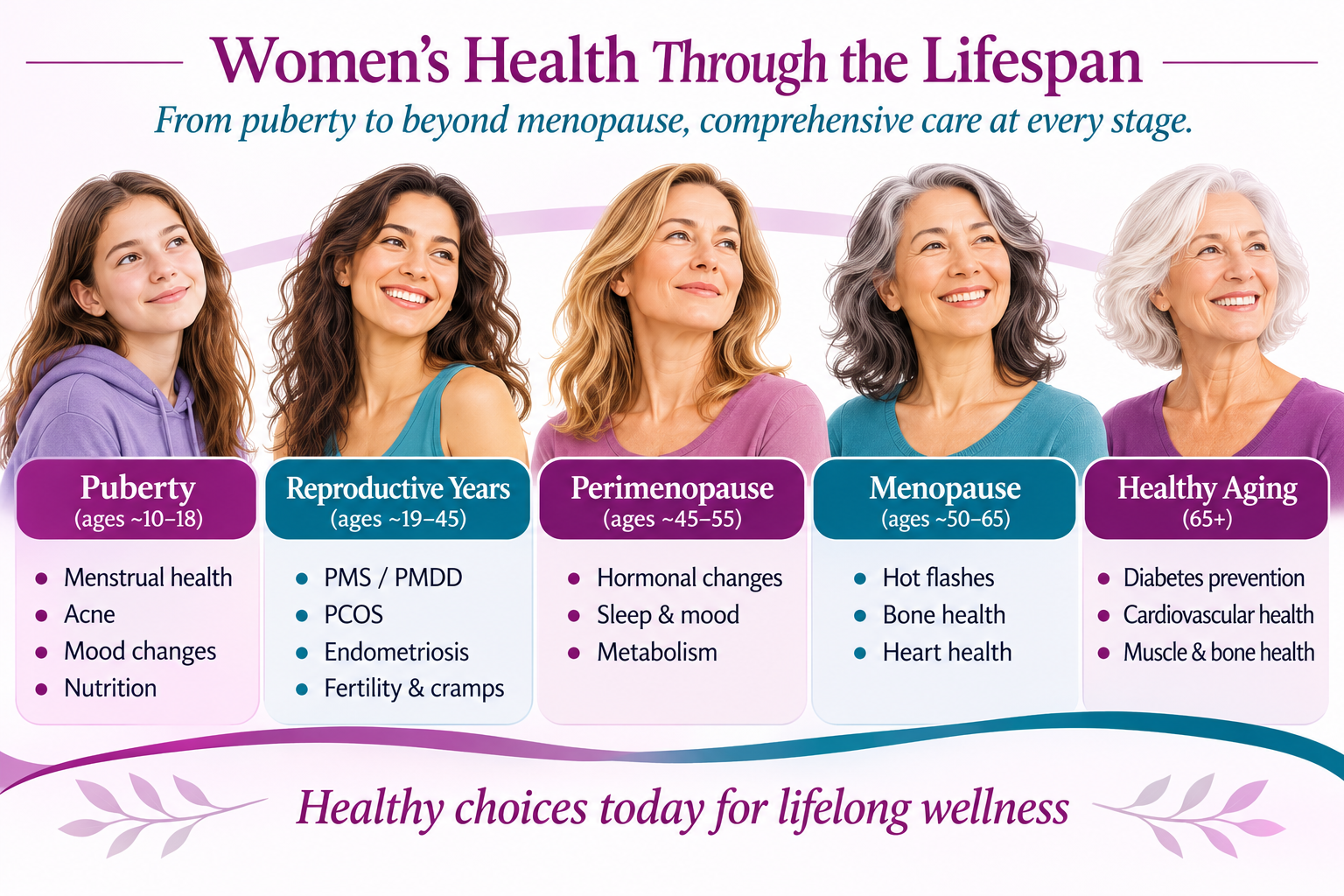
From puberty to menopause and beyond, women deserve healthcare that recognizes their changing needs at every stage of life.
A woman’s health journey spans decades of hormonal, reproductive, metabolic and physiological changes. Each stage brings its own challenges, from the first menstrual period and teenage acne to fertility concerns, perimenopause, menopause and the health considerations of aging.
Yet many women find themselves navigating these changes with limited guidance. They may be told that painful periods are normal, that mood changes are simply part of their menstrual cycle, or that fatigue, sleep disturbances and other symptoms are just something they have to accept as they get older.
There is an important role for naturopathic doctors in helping fill these gaps in women’s healthcare.
Naturopathic medicine takes a comprehensive approach to women’s health, considering nutrition, hormonal health, metabolic function, stress, sleep, physical activity and individual health history. Through thorough women’s health assessments, appropriate laboratory testing, nutritional counselling, targeted vitamins and minerals, evidence-informed herbal medicine and lifestyle recommendations, naturopathic doctors can help women understand their bodies, investigate contributing factors and develop strategies to support their health over the long term.
The goal is to make preventive women’s healthcare, investigation and individualized support accessible throughout a woman’s life.
Why Women Need Healthcare That Changes With Them
Women’s health is influenced by hormonal changes throughout life. Puberty, menstruation, pregnancy, the postpartum period, perimenopause and menopause each bring physiological changes that can influence physical health, emotional well-being, metabolism and long-term disease risk.
These stages are interconnected. For example, polycystic ovary syndrome (PCOS) can affect menstrual health and fertility during the reproductive years while also increasing the risk of insulin resistance, type 2 diabetes and cardiovascular disease later in life. Menopause is another important transition, associated with changes in cholesterol levels, body composition, insulin sensitivity and bone health.
A woman’s healthcare needs therefore extend well beyond treating an isolated symptom.
Naturopathic doctors can provide ongoing education, investigate potential underlying contributors, assess relevant laboratory markers and develop individualized treatment plans. When imaging, specialist assessment, or additional medical investigation is indicated, they can provide guidance to support appropriate referrals and incorporate those findings into ongoing care.
Puberty and the Teenage Years: Establishing a Foundation for Lifelong Women’s Health
Puberty is a significant period of physical, hormonal and emotional development. The onset of menstruation introduces a new set of health considerations, yet many young women receive little education about what constitutes a healthy menstrual cycle.
Some of the concerns that may arise during adolescence include:
- Menstrual cramps and painful periods
- Mood changes and irritability
- Premenstrual symptoms
- Acne and oily skin
- Irregular menstrual cycles
- Heavy menstrual bleeding
- Fatigue and nutritional deficiencies
Naturopathic doctors can help adolescents and their families understand menstrual health, identify nutritional needs and develop healthy habits that support development.
Supporting Menstrual Health
Menstrual cycles provide valuable information about reproductive and hormonal health. Tracking cycle length, menstrual flow, pain and associated symptoms can help identify patterns that warrant further investigation.
A naturopathic assessment can include a review of menstrual history, nutritional status, dietary patterns and relevant laboratory investigations. Nutritional counselling can address adequate intake of iron, protein, essential fatty acids, and other nutrients needed during growth and development. Individualized recommendations may also include attention to sleep, physical activity and stress management.
Persistent or severe menstrual pain deserves investigation. Endometriosis can begin during adolescence, and early recognition can help reduce delays in diagnosis and appropriate treatment.¹
Addressing Acne and Skin Health
Acne is common during puberty, when hormonal changes influence oil production and skin inflammation. Diet, genetics, stress and other factors may also contribute.
A naturopathic assessment can consider nutritional patterns, possible metabolic or hormonal concerns, skin care habits and other relevant health factors. Where indicated, laboratory investigations can help assess potential hormonal or metabolic contributors.
Recommendations may include dietary adjustments and selected nutrients alongside appropriate dermatological care.
Building Healthy Habits Early
Adolescence is an opportunity to establish a positive relationship with food, movement, sleep and healthcare. Young women can learn to recognize their menstrual cycles as an important aspect of their health and to understand when symptoms warrant attention.
Women’s Health in The Reproductive Years: Supporting Hormonal and Reproductive Health
During the reproductive years, women may experience a range of concerns involving menstruation, hormonal health, fertility and metabolic function.
Some symptoms can significantly affect daily life, relationships, work and emotional well-being. Others may be early indicators of underlying conditions that deserve investigation.
Naturopathic doctors can help women investigate contributing factors through comprehensive health assessments, appropriate hormonal and metabolic laboratory testing, nutritional evaluation and individualized treatment plans.
PMS and PMDD
Premenstrual syndrome (PMS) involves physical and emotional symptoms during the days leading up to menstruation. These may include breast tenderness, bloating, headaches, fatigue, food cravings, irritability, anxiety and mood changes.
Premenstrual dysphoric disorder (PMDD) is a more severe condition involving significant mood symptoms and functional impairment.
A thorough naturopathic assessment may include:
- Detailed menstrual and symptom history
- Prospective menstrual cycle and symptom tracking
- Hormonal and thyroid investigations where indicated
- Assessment of nutritional status and dietary patterns
- Evaluation of sleep quality, stress and physical activity
- Review of relevant laboratory results and potential nutrient deficiencies
It is important to recognize that PMDD is primarily diagnosed through clinical assessment and prospective symptom tracking. Hormonal blood tests can help investigate contributors to symptoms, although they do not establish a PMDD diagnosis.
Magnesium, calcium and vitamin B6 have been studied in relation to premenstrual symptoms, although the quality and strength of evidence vary. Supplement selection and dosage should be individualized, particularly because excessive, prolonged vitamin B6 intake can cause nerve damage.
Nutritional interventions, selected vitamins and minerals, stress management and lifestyle modifications may help support symptom management. Women with severe symptoms or significant disruption to daily functioning may also benefit from psychological or medical treatment.²
Polycystic Ovary Syndrome (PCOS)
PCOS, now referred to as PMOS, is one of the most common endocrine conditions affecting women of reproductive age. It can involve irregular ovulation, elevated androgen activity, acne, unwanted facial hair, scalp hair thinning and difficulty conceiving.
Insulin resistance and metabolic dysfunction are also important considerations.
PCOS is a lifelong condition that benefits from ongoing management. Nutrition, physical activity and behavioural support are central components of care. The 2023 International Evidence-Based Guideline for PCOS recommends lifestyle interventions to support metabolic health, general well-being and quality of life.³
Naturopathic support may include:
- Comprehensive hormonal and metabolic assessment
- Individualized nutrition counselling to support blood glucose regulation and insulin sensitivity
- Assessment of dietary fibre, protein and overall nutrient intake
- Recommendations for regular physical activity and resistance exercise
- Support for sleep quality and stress management
- Assessment of relevant nutrient deficiencies
- Consideration of evidence-informed supplements where appropriate
- Monitoring metabolic markers and coordinating care with other healthcare providers
Appropriate investigations may include reproductive hormone levels, thyroid function, glucose regulation, and insulin and lipid markers, depending on the clinical presentation.
Healthy lifestyle changes can improve metabolic health even without weight loss.³
Endometriosis and Painful Periods
Endometriosis is a chronic inflammatory condition in which tissue similar to the lining of the uterus grows outside the uterus. It can cause painful periods, pelvic pain, painful intercourse, digestive symptoms and fertility difficulties.
Many women experience years of symptoms before receiving a diagnosis.
A naturopathic assessment can investigate factors that may contribute to symptoms and affect quality of life, including nutritional deficiencies, hormonal health, digestive function, sleep and stress.
Where endometriosis is suspected, further medical investigation, including pelvic imaging or gynecological assessment, may be appropriate. Naturopathic doctors can help coordinate appropriate referrals and provide ongoing supportive management, including individualized nutritional counselling, evidence-informed supplements and lifestyle interventions, alongside any necessary medical treatment.
Research into complementary approaches for endometriosis is ongoing. The European Society of Human Reproduction and Embryology guidelines recognize the importance of discussing nonmedical strategies for psychological well-being and quality of life, while finding insufficient evidence to recommend any particular nutritional or complementary intervention as an established treatment for endometriosis pain or infertility.⁴
Fertility and Preconception Women’s Health
Preparing for pregnancy involves more than simply trying to conceive. Nutritional status, thyroid function, metabolic health, menstrual regularity and underlying reproductive conditions can all be relevant.
A naturopathic doctor can investigate many factors relevant to women’s health and fertility, including:
- Ovulatory function and menstrual regularity
- Thyroid function
- Prolactin and thorough testing for reproductive hormones
- Metabolic health and insulin resistance
- Nutritional status and potential deficiencies
- Relevant lifestyle and environmental factors
Depending on the findings, additional investigations such as pelvic ultrasound, tubal assessment or semen analysis may be recommended through appropriate healthcare providers.
Naturopathic preconception support may include reviewing folate, iron, vitamin B12, vitamin D and other relevant nutrient status, assessing dietary patterns, supporting metabolic health and reviewing supplement safety.
For women with PCOS, endometriosis or irregular menstrual cycles, identifying and addressing underlying women’s health concerns can be an important part of preconception planning.
Nutritional and lifestyle support can be considered as an alternative to or to complement fertility treatment.
Perimenopause and menopause bring significant hormonal changes that can affect nearly every aspect of a woman’s health.
Fluctuating and declining estrogen levels can contribute to women’s health concerns like:
- Hot flashes and night sweats
- Sleep disturbances
- Changes in mood and anxiety
- Brain fog and difficulty concentrating
- Changes in menstrual patterns
- Vaginal dryness and urinary symptoms
- Changes in cholesterol and blood glucose regulation
- Loss of bone density
- Changes in body composition
Many women enter this stage without a clear understanding of what is happening or how to manage their symptoms.
Naturopathic doctors can help women understand the transition, investigate potential contributors to symptoms and develop an individualized plan.
Investigating Menopause Symptoms
Menopause is a natural physiological transition, and many women can manage menopause symptoms without HRT, with individualized lifestyle and nutritional support.
A naturopathic women’s health assessment can also investigate other potential contributors to symptoms, including thyroid dysfunction, iron deficiency, nutritional inadequacy and metabolic changes.
Depending on age, menstrual history and clinical presentation, a woman may benefit from hormonal testing or other laboratory investigations.
Supporting Menopause Symptoms
A comprehensive women’s health assessment may consider dietary patterns, sleep, stress, exercise, alcohol intake, relevant nutrient status and other factors influencing quality of life.
Nutritional counselling can help women maintain adequate levels of protein, calcium, vitamin D, and other nutrients important for bone and metabolic health.
Exercise recommendations may incorporate resistance training, weight-bearing activity and cardiovascular exercise to support muscle, bone and cardiovascular health.
Selected supplements or herbal preparations may be considered when there is a clear rationale, appropriate safety information and supporting evidence for the intended use.
Naturopathic care can help women understand their options and make informed decisions about nonhormonal menopause treatments.
Protecting Bone Health
Estrogen plays an important role in maintaining bone density. Bone loss accelerates during the menopausal transition, making this an important time to assess osteoporosis risk.
Naturopathic support may include nutritional assessment, adequate intake of calcium and vitamin D, protein recommendations, resistance exercise, and weight-bearing physical activity.
Women with significant risk factors may benefit from bone density testing and medical assessment.
Supporting Metabolic and Cardiovascular Health
The menopausal transition is also an important opportunity to review cardiovascular risk factors.
Changes in cholesterol, blood pressure, insulin sensitivity and body composition can influence long-term health. A naturopathic doctor can help women understand their laboratory results and develop sustainable dietary and lifestyle strategies to support cardiovascular and metabolic health.
Midlife and Beyond: Preventing Chronic Disease and Maintaining Health
Women’s healthcare needs continue long after menstruation and reproductive capacity have ended.
As women age, the risk of several chronic conditions increases, including:
- Type 2 diabetes
- Cardiovascular disease
- Osteoporosis
- High blood pressure
- Abnormal cholesterol levels
- Metabolic syndrome
- Nutritional deficiencies
- Age-related loss of muscle mass
Many of these conditions develop gradually. Preventive healthcare provides an opportunity to identify risk factors and address them before complications arise.
Reducing the Risk of Type 2 Diabetes
Nutrition and physical activity have an important role in diabetes prevention, particularly among people with prediabetes or other metabolic risk factors.
The Diabetes Prevention Program, a large randomized clinical trial involving 3,234 adults, found that an intensive lifestyle intervention reduced the incidence of type 2 diabetes by 58% compared with placebo over an average follow-up of 2.8 years. Sixty-eight percent of study participants were women.⁶
Naturopathic doctors can help patients develop sustainable strategies that support metabolic health, including:
- Balanced meals with adequate protein and dietary fibre
- Choosing carbohydrate sources that support blood glucose regulation
- Regular physical activity
- Resistance training to support muscle and insulin sensitivity
- Consistent sleep habits
- Stress management
- Appropriate monitoring of blood glucose and metabolic markers
For women with prediabetes, PCOS or a family history of diabetes, these women’s health strategies can be particularly relevant.
Supporting Cardiovascular Health
Cardiovascular disease is a leading cause of illness and death among women. Women’s health risk factors such as hypertension, insulin resistance, elevated cholesterol, smoking, inactivity and family history deserve attention throughout adulthood.
Naturopathic doctors can assess many cardiovascular and metabolic risk factors through health history, blood pressure assessment and appropriate laboratory investigations, including lipid profiles, glucose, HbA1c and other relevant markers.
This provides an opportunity to identify concerns such as insulin resistance, prediabetes, and dyslipidemia, and to develop individualized nutritional and lifestyle strategies.
A heart-healthy dietary pattern, regular exercise, adequate sleep, and smoking cessation all contribute to reducing cardiovascular risk.
Lifestyle interventions can substantially improve risk factors. Women with established cardiovascular disease or significant risk factors may also require prescription treatment and ongoing medical monitoring. Naturopathic care can complement that treatment and provide continued support for lifestyle changes.
Maintaining Strength, Bone Health and Healthy Aging
Later life brings additional nutritional and physical health considerations.
Adequate protein, calcium, vitamin D and other essential nutrients support the maintenance of muscle and bone. Regular resistance and balance exercises can help preserve strength, mobility and independence.
Naturopathic doctors can assess dietary adequacy, identify potential nutritional gaps and provide individualized recommendations based on health history, laboratory findings and medications.
The focus is on maintaining function, supporting healthy aging and helping women remain active and independent.
How Naturopathic Doctors Help Fill the Gaps in Women’s Healthcare
A major benefit of naturopathic care is the opportunity to spend time understanding the whole picture.
A woman’s symptoms may involve several overlapping factors. For example, fatigue may be related to iron deficiency, thyroid dysfunction, sleep disturbances, stress, blood glucose regulation, or other medical conditions.
A comprehensive naturopathic assessment may include:
Comprehensive health history: Reviewing menstrual history, reproductive health, symptoms, nutrition, sleep, stress, family history and lifestyle.
Hormonal and metabolic investigation: Assessing relevant reproductive hormones, thyroid function, insulin and glucose regulation, and other markers based on individual symptoms and clinical findings.
Appropriate laboratory assessment: Reviewing existing investigations and recommending additional testing within the practitioner’s scope and clinical context.
Nutritional counselling: Developing practical dietary strategies that address individual nutritional needs and health goals.
Vitamins and minerals: Identifying potential deficiencies and considering targeted supplementation when appropriate.
Evidence-informed herbal medicine: Considering botanical preparations when there is adequate evidence, an appropriate indication and a favourable safety profile.
Lifestyle counselling: Addressing physical activity, sleep, stress management and sustainable health behaviours.
Coordination of care: Referring you back to your family doctor for appropriate imaging, specialist assessment or other medical investigations when indicated, and working alongside family physicians, gynecologists, endocrinologists, dermatologists and fertility specialists.
For me, the emphasis is on investigating first rather than guessing, understanding contributing factors and developing an individualized plan.
Can Naturopathic Medicine Help Women Manage Their Health Without Medication?
Many women are interested in approaches that emphasize nutrition, lifestyle changes and natural health interventions. For many women’s health concerns, these approaches can form a meaningful part of symptom management and disease prevention.
Dietary changes, physical activity, stress management, sleep improvements and correcting nutritional deficiencies can support many aspects of health. In conditions such as PCOS and prediabetes, lifestyle interventions are recognized components of evidence-based management.
A thorough investigation can also help identify when nutritional or lifestyle interventions may be sufficient to address contributing factors, when additional diagnostic investigation is needed and when prescription treatment may be beneficial.
Some women benefit from prescription medication, hormone therapy, surgery or other conventional medical interventions. These treatments can be used alongside naturopathic care when appropriate.
The role of a naturopathic doctor is to help women understand their options, investigate potential contributing factors and develop a safe, individualized plan that respects their preferences and medical needs.
Women’s Health Deserves Attention at Every Age
From the first menstrual period to the postmenopausal years, women’s health deserves ongoing attention, education and individualized support.
Whether you are a teenager experiencing painful periods, a woman struggling with PCOS or endometriosis, someone preparing for pregnancy, navigating menopause or looking to reduce your risk of chronic disease, naturopathic medicine offers an opportunity to take a more comprehensive approach to your health.
You deserve to understand your body, have your concerns taken seriously and have a healthcare plan that considers your needs at every stage of life.
Work With a Naturopathic Doctor in Toronto
Dr. Pamela Frank is a Toronto naturopathic doctor with more than 27 years of clinical experience. Her practice has a special interest in women’s health, hormonal and reproductive health, including PCOS, endometriosis, menstrual concerns, fertility, perimenopause and menopause.
With a scientific background in medical laboratory technology and extensive experience in naturopathic medicine, Dr. Frank takes a comprehensive approach to women’s health. Her practice combines detailed health assessments, appropriate laboratory testing, nutritional counselling and individualized natural health recommendations.
Whether you are investigating hormonal concerns, managing a reproductive health condition or looking to protect your long-term health, she can help you understand your options and develop an individualized women’s health plan.
Book an Appointment with Dr. Pamela Frank
Women’s Health References
- American College of Obstetricians and Gynecologists. ACOG Committee Opinion No. 760: dysmenorrhea and endometriosis in the adolescent. Obstet Gynecol. 2018;132(6). doi:10.1097/AOG.0000000000002978
- American College of Obstetricians and Gynecologists Committee on Clinical Practice Guidelines-Gynecology. Management of premenstrual disorders: ACOG Clinical Practice Guideline No. 7. Obstet Gynecol. 2023;142(6):1516-1533. doi:10.1097/AOG.0000000000005426
- Teede HJ, Tay CT, Laven JJE, et al. Recommendations from the 2023 International Evidence-based Guideline for the Assessment and Management of Polycystic Ovary Syndrome. J Clin Endocrinol Metab. 2023;108(10):2447-2469. doi:10.1210/clinem/dgad463
- Becker CM, Bokor A, Heikinheimo O, et al. ESHRE guideline: endometriosis. Hum Reprod Open. 2022;2022(2). doi:10.1093/hropen/hoac009
- The North American Menopause Society. The 2023 nonhormone therapy position statement of The North American Menopause Society. Menopause. 2023;30(6):573-590. doi:10.1097/GME.0000000000002200
- Knowler WC, Barrett-Connor E, Fowler SE, Hamman RF, Lachin JM, Walker EA, Nathan DM; Diabetes Prevention Program Research Group. Reduction in the incidence of type 2 diabetes with lifestyle intervention or metformin. N Engl J Med. 2002 Feb 7;346(6):393-403. doi: 10.1056/NEJMoa012512. PMID: 11832527; PMCID: PMC1370926.