
Toronto Dr. Pamela Frank, BSc(Hons), ND – 26+ years of clinical experience
Conditions That A Toronto Naturopath Commonly Treats (There Are Many Others)
Naturopathic medicine is most powerful not when it manages symptoms, but when it identifies why symptoms are happening in the first place. Every patient who walks in has a different combination of hormonal patterns, nutritional status, gut function, stress load, and genetic tendencies. Lab testing, thorough intake, and clinical reasoning determine the root cause, and targeted treatment follows.
The conditions below are areas in which I have the deepest clinical experience and in which naturopathic investigation and treatment contribute meaningfully to outcomes. Where a condition requires concurrent conventional management, I work alongside your existing medical team.
Serving Toronto (in-person at 568 St. Clair Ave W) and all of Ontario virtually since 1999.
Can Naturopathic Medicine Help My Conditions?
Are you wondering what conditions I can help you with? With over 26 years of experience, I have encountered almost everything. Often, the most challenging conditions are the ones that end up in my office. This is because all other medical options didn’t work; conventional medical treatment has nothing to offer, or the treatment is unsatisfactory.
Naturopathic medicine is highly effective in addressing health conditions. You can see me as a naturopath, as a stand-alone treatment, or in conjunction with conventional medical care.
Click on the conditions below for more details on the naturopathic treatment approach I use and the research supporting naturopathic medicine. This is not an exhaustive list; conditions that are not listed can also be treated.
Hormones & Reproductive Health
Women’s hormonal health is the core of my practice. Hormonal imbalances, whether driven by estrogen dominance, thyroid dysfunction, insulin resistance, or HPA axis dysregulation, rarely present in isolation. They compound and interact. A proper lab workup disambiguates the picture.
Conditions in this area include:
Adenomyosis:
This is a sister condition to endometriosis. In this case, the uterine lining tissue has invaded the muscular walls of the uterus. Treating the root cause of adenomyosis or endometriosis means correcting estrogen dominance.
Uterine Fibroids:
Heavy periods, pelvic pressure, and bloating from leiomyomas. Root drivers include estrogen excess, inflammation, insulin dysregulation, and vitamin D deficiency.
Endometriosis:
Chronic pelvic pain, painful periods, and fertility challenges driven by immune dysregulation and estrogen dominance.
Estrogen Dominance:
Excess estrogen relative to progesterone or impaired estrogen metabolism contributes to PMS, fibroids, endometriosis, heavy periods, and breast tenderness.
Estrogen Metabolism:
The liver’s handling of estrogen determines which estrogen metabolites predominate. The 2-OH pathway is favourable; the 4-OH and 16α-OH pathways are associated with higher risk. This is assessable and modifiable.
PCOS:
Polycystic ovarian syndrome with multiple potential subtypes: Classic PCOS (type A), types B, C, and D. Each responds to different interventions.
PMS & PMDD:
Premenstrual syndrome through to the more severe PMDD (premenstrual dysphoric disorder). Progesterone insufficiency, GABA dysfunction, serotonin dysregulation, and HPA axis reactivity are major drivers.
Heavy Periods:
Menorrhagia driven by fibroids, endometriosis, thyroid dysfunction, clotting factor issues, or estrogen dominance.
Period Pain:
Dysmenorrhea driven by prostaglandin excess, endometriosis, adenomyosis, or nutritional deficiencies.
Menopause & Perimenopause:
Hot flashes, insomnia, mood changes, brain fog, bone loss, and cardiovascular risk changes during the menopausal transition.
Adrenal Fatigue/HPA Axis Dysfunction:
Dysregulated cortisol output, chronic fatigue, difficulty recovering from stress, and downstream impacts on thyroid and sex hormone balance.
Spotting Between Periods:
Spotting, also called breakthrough bleeding, is light, abnormal bleeding that occurs outside of a period. The leading cause of spotting is hormone imbalance. Correcting the hormonal imbalance that is the root cause of spotting provides significant benefits for overall health and wellness.
Thyroid
Hypothyroidism:
Underactive thyroid, including Hashimoto’s autoimmune thyroiditis. Full thyroid panels (TSH, free T4, free T3, reverse T3, TPO and thyroglobulin antibodies) reveal nuances that standard TSH alone misses.
Graves Disease:
Hyperthyroid, or overactive thyroid, is typically caused by an autoimmune attack on the thyroid. Calming autoimmunity through natural medicine can protect your thyroid.
Fertility
Infertility/Natural Fertility Care:
Addressing the hormonal, nutritional, and lifestyle factors that affect conception success.
IVF & IUI Support:
Pre-cycle optimization of egg quality (CoQ10, melatonin, myo-inositol), endometrial receptivity (vitamin D, omega-3, acupuncture), and stress physiology.
Fertility Acupuncture:
Uterine blood flow, ovarian blood flow, stress reduction, and cycle regulation.
Digestion
IBS – Irritable Bowel Syndrome:
Identifying the driving mechanism (SIBO, dysbiosis, food sensitivities, gut-brain axis dysregulation, intestinal permeability) and treating it specifically.
Constipation:
Chronic constipation is not just a diet issue. Thyroid function, magnesium status, gut motility, and microbiome composition all contribute.
Urogenital & Vaginal Health
Abnormal PAP:
An abnormal PAP may show ASCUS, cervical dysplasia, LSIL, HSIL, CIN I, II, or III. Naturopathic treatment helps you fight HPV, boost your immune system, and heal your cervix to address these conditions.
Bladder Infections/Recurrent UTIs:
D-mannose, cranberry PACs, urogenital probiotics, and hormone balance in menopause to address factors that allow bacteria to persist and colonize.
Cervical Dysplasia:
Dysplasia means that abnormal cells were found on your cervix on a PAP smear. As a naturopathic doctor, I help eliminate HPV, boost your immune function, and promote a healthy cervix.
Cervicitis:
Cervicitis means inflammation of your cervix. Inflammation can be due to food sensitivities, infection, allergic reaction to condoms, hormone imbalance, etc. Finding the source of the irritation is the key to reducing cervicitis.
Friable Cervix:
A friable cervix is easily irritated and can bleed. Removing the source of the irritation, such as infection, food sensitivities, and hormone imbalances, helps. Vitamins and herbs also help your cervix heal.
Vaginitis:
Distinguishing yeast, BV, aerobic vaginitis, and atrophic vaginitis; each requires a different approach.
Yeast Infections:
Recurrent vulvovaginal candidiasis, including azole-resistant non-albicans species.
Bacterial Vaginosis:
BV recurrence prevention through microbiome restoration and biofilm disruption.
Vaginal Dryness:
Non-hormonal options for optimal health in perimenopause, menopause, and post-menopause.
Skin & Hair
Acne:
Hormone-driven (androgen excess, PCOS, prolactin excess), gut-driven (dysbiosis), or dietary-driven acne addressed at the root.
Hair Loss:
Female pattern hair loss, telogen effluvium, autoimmune alopecia, and nutritional deficiency hair loss.
Excess Hair/Hirsutism:
Androgen excess from PCOS, adrenal dysfunction, or other sources.
Mood & Neurological
Anxiety:
Anxiety can be driven by hormone imbalance, neurotransmitter dysregulation, HPA axis hyperactivation, and thyroid-related. Thorough assessment and evaluation of all of these factors provide long-term resolution.
Depression:
Nutritional deficiencies (folate, B12, vitamin D, omega-3), thyroid dysfunction, and contributions from the gut-brain and HPA axes to low mood.
Insomnia:
Cortisol dysregulation, progesterone deficiency, melatonin insufficiency, hyperarousal, and identifying your specific driver.
General
Fatigue:
The diagnostic workup for fatigue is one of the most important parts of my practice. Thyroid, iron, B12, vitamin D, cortisol, blood sugar, hormone and sleep disorders are all measurable and addressable.
Fibromyalgia:
For understanding fibromyalgia, we look at central sensitization, HPA axis dysregulation, sleep disruption, and nutrient deficiencies.
Weight Loss:
Thyroid, insulin resistance, cortisol, appetite hormone dysregulation, identifying what’s in the way and fixing that leads to weight loss success.
FAQ About Conditions Naturopaths Treat
What conditions can a naturopathic doctor treat?
Naturopathic doctors are licensed primary care providers trained to assess and treat a wide range of acute and chronic health conditions. In Ontario, NDs complete a four-year accredited graduate program following an undergraduate degree in a science, covering clinical diagnosis, laboratory interpretation, pharmacology, and natural therapeutics. Conditions commonly addressed include hormonal imbalances (thyroid disorders, PCOS, endometriosis, perimenopause), digestive disorders (IBS, SIBO, constipation), recurrent infections (UTIs, yeast, bacterial vaginosis), fertility challenges, mood disorders (anxiety, depression), fatigue, insomnia, acne, hair loss, and metabolic conditions including insulin resistance and weight dysregulation. Where a condition requires concurrent conventional medical management, naturopathic care works alongside your existing medical team.
How does a naturopathic doctor find the root cause of a health problem?
The process starts with a comprehensive intake – typically 60–75 minutes for an initial visit – covering your full health history, symptoms, diet, stress load, sleep, medications or supplements, family history and previous lab tests. This is followed by targeted laboratory testing. Depending on your presentation, that might include a full hormone panel, a thyroid panel beyond TSH alone, fasting insulin and glucose, a micronutrient assessment, stool analysis, SIBO breath testing, urinary estrogen metabolites, or inflammatory markers. The goal is to identify specific, measurable imbalances driving your symptoms, not to assume a diagnosis based on symptoms alone. Treatment is then directed at those findings rather than at symptom suppression.
Can a naturopathic doctor order lab tests in Ontario?
Yes. Naturopathic doctors in Ontario are authorized under the Naturopathy Act, 2007 and CONO’s controlled acts framework to order a broad range of laboratory investigations, including blood work, urinalysis, and stool testing. Some tests are covered under OHIP when ordered by a medical doctor; tests ordered by an ND are never covered by OHIP and are typically paid out of pocket or through extended health benefits, many of which cover naturopathic services and may cover lab tests. The ability to order and interpret comprehensive lab panels is one of the most clinically significant advantages of working with an ND. It allows treatment to be driven by objective data rather than guesswork or symptom management alone.
Can a naturopathic doctor help if my medical doctor says my test results are normal?
This is one of the most common reasons patients seek naturopathic care. Standard medical reference ranges are established from population averages and are designed to identify overt disease, not to define optimal function. A TSH of 4.2 mIU/L is within the conventional reference range but may be associated with significant hypothyroid symptoms in some individuals.
A ferritin level of 40 ug/L was technically considered “normal” until recently, but too low to support normal hair growth, energy levels, or thyroid hormone synthesis. Free T3 and reverse T3 are rarely tested in standard care but are clinically meaningful. A naturopathic assessment looks at a broader panel of markers, interprets them in the context of your symptoms, and identifies functional imbalances that fall short of diagnosable disease but are meaningfully affecting your health.
Is naturopathic medicine covered by OHIP in Ontario?
Naturopathic medicine is not covered by OHIP. However, the majority of extended health benefit plans in Ontario, including those offered through Sun Life, Manulife, Green Shield, Blue Cross, and most employer group plans, include a naturopathic medicine benefit, typically ranging from $300 to $800 per insured individual per year. It is worth checking your specific plan details, as coverage levels vary significantly. Lab tests ordered by an ND are not OHIP-covered and are billed separately; many extended benefit plans also cover a portion of laboratory costs.
Not Sure Where to Start?
If your symptoms and conditions span multiple areas, which is common since hormones, gut function, mood, and energy are all interconnected, your first appointment will be a comprehensive intake. Lab testing is ordered based on your history, and we build on the results.
Authored by Dr. Pamela Frank, BSc, ND, Updated July 2, 2026
Don’t see your conditions on this list? You can always email to ask if I have had success in treating it. Email: my assistant, Maria. Book an appointment here or call the clinic for more information at 416-481-0222. Not in Toronto? That’s ok, so long as you are in Ontario, I can provide virtual naturopathic treatment.
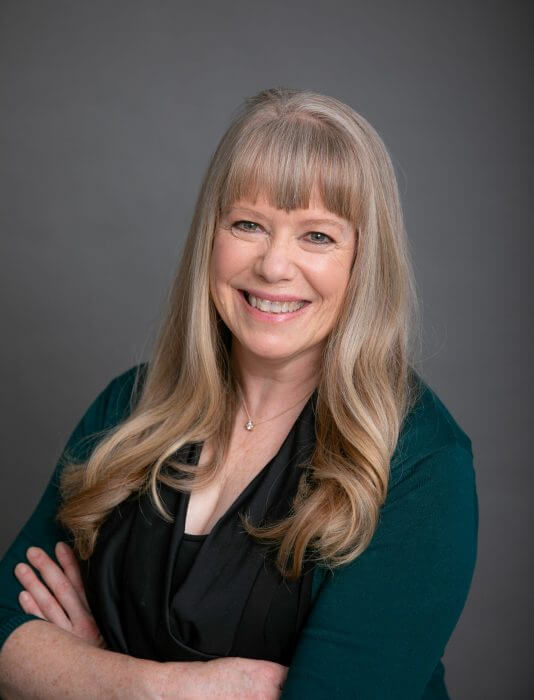
Dr. Pamela Frank has been in practice as a naturopathic doctor for over 26 years. Since 1999, she has earned acclaim as a leading naturopath in Toronto, amassing multiple awards.
Dr. Pamela has a special interest in addressing hormone-related complexities, including but not limited to PCOS, endometriosis, acne, hair loss, weight management, thyroid issues, and fertility.
Residing in Toronto with her family and loyal companion, Dolly the rescue dog, Dr. Pamela seamlessly combines her professional commitment with a diverse range of interests.
Beyond her clinical endeavours, she actively engages in kickboxing, leadership roles within Scout Groups, yoga practice, podcasting, and outdoor pursuits such as backcountry camping.
Dr. Pamela’s comprehensive approach reflects not only her dedication to optimal health but also her passion for continual personal and professional growth.