
Natural Treatment for Anxiety
Anxiety disorders range in severity from simple situational nervousness to more complex turmoil or panic attacks. For example, you may feel anxious about making a presentation. Or, you may have panic attacks about being in a crowded place.
What Causes Anxiety?
The causes of anxiety problems include:
- Home environment
- Work stress
- Personality traits – think worriers and type A personalities (overachievers)
- Imbalances in neurotransmitters like GABA, serotonin, and dopamine
- Vitamin/mineral or essential fatty acid deficiencies
- Hormone imbalance – your hormones influence how well your receptors use calming neurotransmitters like GABA
- Trauma, such as marital separation, assault, job loss, or car accidents.
What are the symptoms of anxiety?
The symptoms of nervousness, agitation, or worry may include:
- Increased heart rate
- Heart palpitations
- Sweating
- Chest pain
- Shortness of breath
- Headaches
- Fatigue
- Insomnia
- Muscle tension
- Irritability
- Forgetfulness
- Confusion
- Restlessness
- Social withdrawal
- Feeling jumpy or on edge
- Overeating or loss of appetite
- Loose stools or diarrhea
- Depression – anxiety and depression often go hand-in-hand
Worry and apprehension can become a vicious cycle. You are under stress, and so you feel anxious. This then puts extra demands on your body’s ability to cope with stress. These extra demands further deplete your coping resources. So your ability to deal with stress goes even lower. And your unease level goes even higher.
Can a Naturopath Help with Anxiety?
Absolutely, I can help with mental health issues like anxiety. There are eight simple steps that I will take to reduce your feelings of unease:
- Remove or reduce sources of stress where possible.
- Exercise. Studies show that you will cope with stress better if you are exercising than if you are not.
- Add some stress reduction techniques. These may include yoga, tai chi, massage therapy, breathing exercises, meditation, and psychotherapy.
- Nourish your body’s stress glands or adrenal glands and your HPA axis
- Nourish your brain with B vitamins, magnesium, and essential fatty acids.
- Calm your nervous system. Natural therapies, such as herbs, can help calm your nervous system. This helps with sleep, reduces daytime stress, and allows you to restore your stress-adaptation mechanisms.
- Correct neurotransmitter imbalance. Natural remedies help balance neurotransmitters like dopamine, serotonin, norepinephrine, and GABA. These have a calming effect.
- Balance hormones. Hormones play a significant role in how your brain works. Many of the men and women I see are suffering from hormone-related stress and apprehension. Women with PCOS frequently suffer from anxiety as a result of hormonal imbalances that reduce the production of progesterone.
The Benefits of Naturopathic Medicine for Anxiety
- Better ability to cope with whatever life throws you
- Lasting improvement versus recurrence as soon as you stop a medication
- A stronger, more resilient system
- More restful sleep
- Better hormonal balance
- Better brain and nervous system function
Testing for Anxiety
Most anxiety is diagnosed based on your symptoms or by completing a written anxiety test. While there is no one blood test to identify the exact cause of anxiety, there are a number of tests that may help find your contributing factors. These may include hormone testing, thyroid testing, and urine organic acids testing.
Hormones
Depending on your age and gender, the following hormones can be tested: LH, FSH, estradiol, progesterone, total testosterone, DHEAs, androstenedione, and prolactin
Neurotransmitter balance
This is a tricky one to measure. Because what you really want to know is the levels that are in your brain. Some research suggests that measuring neurotransmitter levels in platelets may be a reliable way to gauge levels in the brain. At this time, this test is not available to Ontario ND’s. Urine and blood levels are highly variable depending on stress. Urine organic acids testing can provide valuable insights into neurotransmitter balance.
Thyroid Testing
Apprehension and irritability can be symptoms of an overactive thyroid. Blood tests for TSH, free T3, free T4, anti-TPO, anti-thyroglobulin and reverse T3 may be helpful.
Anxiety FAQ’s
Is anxiety related to hormones?
For many people, yes. Hormones influence how effectively the brain uses calming neurotransmitters like GABA, which is part of why anxiety symptoms can fluctuate with menstrual cycle phases, perimenopause and menopause, or thyroid imbalances.
What vitamins or minerals are linked to anxiety?
Magnesium, B vitamins, and essential fatty acids are commonly involved in nervous system function, and deficiencies in these areas have been associated with increased anxiety symptoms in research.
Can a naturopath prescribe medication for anxiety?
In Ontario, naturopathic doctors do not prescribe pharmaceutical medications like SSRIs or benzodiazepines. Naturopathic treatment focuses on natural approaches and can work alongside any medications prescribed by your physician.
What’s the difference between situational anxiety and generalized anxiety?
Situational anxiety is tied to a specific trigger, like public speaking or a stressful event, and tends to resolve once the situation passes. Generalized anxiety is more persistent and often present even without an obvious immediate cause, and may have a stronger underlying physiological component.
Research on Naturopathic Treatments for Mood Disorders
Magnesium
Magnesium plays a role in over 300 enzymatic reactions, including those that regulate neurotransmitter activity and the stress response, and deficiency is common in Western diets. A randomized crossover trial published in PLOS ONE found that six weeks of magnesium chloride supplementation (248 mg elemental magnesium daily) produced a clinically significant reduction in both depression and anxiety scores in adults with mild-to-moderate symptoms, with effects observed within two weeks and no significant adverse effects reported. This was consistent across age groups, sexes, and baseline magnesium levels, suggesting a broad utility rather than benefit limited to frank deficiency.
Tarleton EK, Littenberg B, MacLean CD, Kennedy AG, Daley C. Role of magnesium supplementation in the treatment of depression: A randomized clinical trial. PLOS ONE. 2017;12(6):e0180067. doi:10.1371/journal.pone.0180067
L-Theanine
L-theanine, a non-protein amino acid found in green tea, promotes alpha-wave brain activity and has a modulatory effect on GABA, dopamine, and serotonin without causing sedation. A 2024 systematic review published in BMC Psychiatry analyzed 11 RCTs across six countries. The review found that L-theanine supplementation significantly reduced psychiatric symptoms, particularly anxiety, compared to placebo in patients diagnosed with conditions including generalized anxiety disorder, ADHD, OCD, major depressive disorder, and schizophrenia. At the individual RCT level, a double-blind crossover trial found that 200 mg/day of L-theanine for four weeks significantly reduced trait anxiety scores and improved sleep quality in healthy adults, compared to placebo.
Moshfeghinia R, Sanaei E, Mostafavi S, et al. The effects of L-theanine supplementation on the outcomes of patients with mental disorders: a systematic review. BMC Psychiatry. 2024;24:886. doi:10.1186/s12888-024-06285-y
Saffron
Saffron (Crocus sativus) contains active compounds, primarily crocin and safranal, that appear to modulate serotonin reuptake and reduce neuroinflammation. A 2024 systematic review in Phytotherapy Research synthesized RCT evidence for saffron across multiple neurological and psychiatric conditions and found positive effects on anxiety, depression, and sleep, with a good safety profile. Notably, a meta-analysis published in Nutrition Reviews (2024) compared saffron to SSRIs across 8 studies and found that saffron produced comparable reductions in depressive and anxiety symptoms to SSRIs, with no statistically significant difference between the two treatments, a clinically meaningful finding given the adverse effect burden associated with long-term SSRI use.
Shafiee A, Jafarabady K, Seighali N, Mohammadi I, Rajai Firouz Abadi S, Abhari FS, Bakhtiyari M. Effect of Saffron Versus Selective Serotonin Reuptake Inhibitors (SSRIs) in Treatment of Depression and Anxiety: A Meta-analysis of Randomized Controlled Trials. Nutr Rev. 2025 Mar 1;83(3):e751-e761. doi: 10.1093/nutrit/nuae076. PMID: 38913392.
Why You Should See a Toronto Naturopath for Anxiety
I can help you unearth the cause of your anxiety and provide natural treatment for mental health. Book an appointment here or call the office for more information or to see a naturopathic doctor for anxiety at 416-481-0222.
Authored by Dr. Pamela Frank, BSc(Hons), ND
Anxiety Medications
Medications usually fall into one of three categories: benzodiazepines, SNRI’s and SSRI’s.
Benzodiazepines: These medications temporarily calm down your nervous system while you are taking them. They act fairly quickly. Common side effects of these medications are emotional blunting or numbness, drowsiness, lack of energy, clumsiness, slow reflexes, slurred speech, confusion and disorientation, depression, dizziness, lightheadedness, impaired thinking and judgment, memory loss, forgetfulness, nausea, stomach upset, blurred or double vision.
SSRI’s and SNRI’s: These medications artificially raise the “feel-good” neurotransmitter serotonin and/or norepinephrine. They may provide relief during periods of acute stress. But, the effects are only temporary while taking them. Common side effects of these medications include nausea, nervousness, headaches, sleepiness, sexual dysfunction, dizziness, stomach upset, and weight gain.
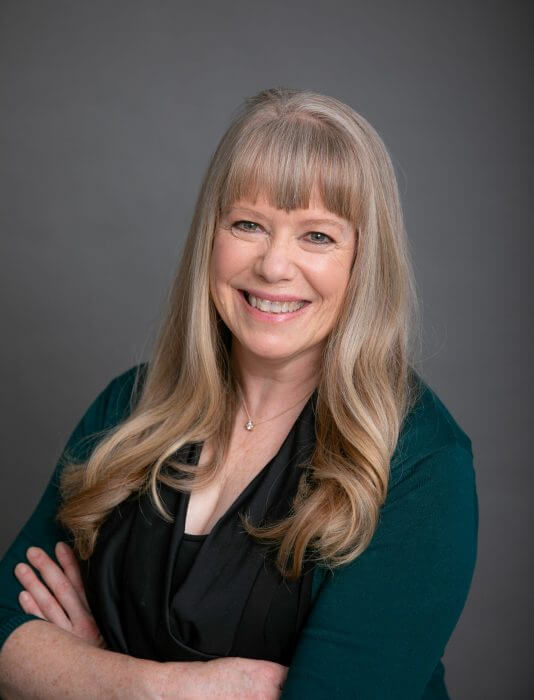
Dr. Pamela Frank has been in practice as a naturopathic doctor for over 26 years. Since 1999, she has earned acclaim as a leading naturopath in Toronto, amassing multiple awards.
Dr. Pamela has a special interest in addressing hormone-related complexities, including but not limited to PCOS, endometriosis, acne, hair loss, weight management, thyroid issues, and fertility.
Residing in Toronto with her family and loyal companion, Dolly the rescue dog, Dr. Pamela seamlessly combines her professional commitment with a diverse range of interests.
Beyond her clinical endeavours, she actively engages in kickboxing, leadership roles within Scout Groups, yoga practice, podcasting, and outdoor pursuits such as backcountry camping.
Dr. Pamela’s comprehensive approach reflects not only her dedication to optimal health but also her passion for continual personal and professional growth.
DISCLAIMER: The information provided here may not apply precisely to your individual situation. Diagnostic and therapeutic choices must always be tailored to the individual patient’s circumstances, and consultation with a licensed naturopathic physician should be undertaken before following any of the treatment strategies suggested on this website.