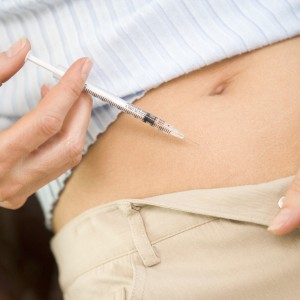
Naturopathic IVF & IUI Support in Toronto
Last medically reviewed by Dr. Pamela Frank, BSc(Hons), ND, June 28, 2026
Going through IVF or IUI is one of the most emotionally and physically demanding experiences a person can face. Naturopathic medicine has a genuine role to play in this process, not by competing with your reproductive endocrinologist’s protocol, but by supporting the biological factors that most directly influence IVF cycle outcome: egg quality, sperm quality (where a partner is involved), uterine receptivity, and stress physiology.
Research on several naturopathic interventions in this context is sufficiently meaningful to warrant understanding. IVF & IUI support also means helping you manage the emotional ups and downs of the fertility journey.
Whether you’re just beginning your first cycle or have experienced multiple rounds without success, integrative support can improve your experience and results. My goal is to support your body, mind, and hormones every step of the way so you feel empowered and prepared as you pursue your path to parenthood.
When to Start Naturopathic Preparation for IVF or IUI
Egg and sperm development (oogenesis and spermatogenesis) take approximately 75-90 days from primordial follicle recruitment to ovulation, and from spermatogonial stem cell to mature sperm, respectively. This means the nutritional environment over the 3 months preceding your egg retrieval or insemination cycle directly affects the quality of the eggs and sperm involved. Starting at least 3 months before your scheduled cycle is ideal, though even 6-8 weeks of optimization is still beneficial.
Factors That Naturopathic Support Addresses
1. Oocyte (Egg) Quality and Mitochondrial Function
Egg quality is the dominant determinant of embryo viability and implantation success. Mitochondrial dysfunction within the oocyte is a major contributor to poor egg quality, aneuploidy, and failed fertilization or implantation.
Coenzyme Q10 (Ubiquinol) for Egg Quality:
The most evidence-supported supplement for oocyte mitochondrial support. CoQ10 is an electron carrier in the mitochondrial electron transport chain and a potent lipophilic (fat-loving) antioxidant. A 2018 RCT in poor ovarian responders demonstrated that CoQ10 supplementation before IVF significantly improved the number of retrieved oocytes, fertilization rate, and high-quality embryo rate compared to placebo.¹ The ubiquinol (reduced) form has superior bioavailability over ubiquinone.
Melatonin and Fertility:
Follicular fluid melatonin concentration is significantly lower in women with poor-quality oocytes than in those with good-quality oocytes.² Melatonin acts as a direct free radical scavenger within the follicular environment. A RCT (Tamura et al., 2008) demonstrated that melatonin supplementation (3 mg/night) in IVF patients significantly increased follicular fluid melatonin, reduced oxidative stress markers, and improved fertilization rates compared to control.² Lifestyle and sleep hygiene are key strategies to optimize your endogenous (internal) melatonin production.
Myo-inositol:
A second-messenger signalling molecule in the FSH receptor pathway. In women with poor egg quality, particularly those with PCOS or metabolic dysfunction, myo-inositol supplementation has been shown in RCTs to improve oocyte quality, reduce the gonadotropin doses required for IVF stimulation, and increase fertilization and pregnancy rates.³
2. Endometrial Receptivity and Implantation in IVF & IUI Support
A high-quality embryo that transfers into a suboptimal endometrial environment will not implant. Endometrial receptivity is modulated by a number of factors addressable through naturopathic intervention:
Vitamin D:
Uterine lining (endometrial) cells express vitamin D receptors (VDR), and Vitamin D regulates genes involved in embryo implantation and placentation. Women with vitamin D sufficiency (>75 nmol/L according to Canadian labs) have significantly higher IVF success rates than those who are deficient.⁴ Given the high prevalence of vitamin D insufficiency in Ontario due to seasonal UV limitation, baseline testing and correction are practically universal in my patient population. Optimal levels of vitamin D for fertility may be closer to 100-125 nmol/L.
Omega-3 fatty acids (EPA/DHA):
EPA and DHA are incorporated into cell membranes, including those of eggs and endometrial cells, thereby improving membrane fluidity and prostaglandin balance. Observational data suggest dietary omega-3 intake is positively associated with live birth rate in ART cycles.⁵
Acupuncture for endometrial blood flow:
Uterine artery blood flow (measured by pulsatility index on Doppler ultrasound) affects endometrial receptivity. A systematic review found that acupuncture significantly reduced uterine artery resistance and improved endometrial thickness compared to controls in women undergoing ART.⁶ The proposed mechanism involves nitric oxide release, modulation of sympathetic tone to uterine vasculature, and beta-endorphin release affecting GnRH pulsatility.
3. Diminished Ovarian Reserve (DOR)
Women with elevated day 3 FSH, low AMH, or low antral follicle count (AFC) face particular challenges in IVF cycles. DHEA supplementation has been studied specifically in this population. A Cochrane-adjacent systematic review of trials in poor responders found that DHEA supplementation for 6–12 weeks pre-IVF may improve live birth rates, although the quality of the evidence remains moderate and individualization is essential.⁷ DHEA should be used only under fertility clinic supervision, with baseline DHEA-S testing; it is not appropriate for all patients. Here in Ontario, I cannot prescribe DHEA. Rather, I would support the healthy, balanced function of your adrenal glands, so they can produce the appropriate amount of DHEA.
4. Sperm Quality Optimization
When a male partner is contributing sperm, through IUI, IVF, or ICSI, sperm DNA integrity, motility, and morphology are addressable over the 90-day spermatogenic cycle.
CoQ10 for Sperm Quality:
Coenzyme Q10 also supports mitochondrial function in sperm. RCTs demonstrate improvements in sperm motility and density with CoQ10 supplementation.⁸
L-carnitine and acetyl-L-carnitine:
L-carnitine and acetyl-l-carnitine support sperm motility and energy metabolism.⁹
Antioxidants (Vitamin C, E, zinc, selenium):
Sperm are particularly vulnerable to oxidative damage. Male factor infertility is associated with elevated reactive oxygen species in seminal plasma.¹⁰ Antioxidants like these may protect sperm from oxidative stress.
Lifestyle:
Correcting lifestyle for male fertility means addressing heat exposure to the testes (sauna, hot tub, laptops), smoking, alcohol, and anabolic steroid use. All of these negatively impact sperm parameters.
Male Hormonal Balance:
As with egg development, optimal sperm production requires the right hormonal environment. This is rarely adequately assessed, even in fertility clinics. A thorough hormonal investigation is critical. See my hormone tests for male fertility below.
5. HPA Axis (Stress) Regulation
The fertility-stress relationship is complex. While infertility itself causes significant psychological distress (comparable to a cancer diagnosis in validated quality-of-life measures), some evidence supports the role of elevated cortisol and sympathetic nervous system activation in impairing reproductive function at multiple levels: GnRH pulsatility, ovarian blood flow, endometrial receptivity, and immune system tolerance of the embryo.¹¹
Mind-body interventions (mindfulness, yoga, CBT) have been associated with reductions in psychological distress and, in some RCTs, modest improvements in IVF outcomes.¹² Adaptogenic herbs, including Withania somnifera (Ashwagandha) and Rhodiola rosea, support HPA axis normalization without directly interfering with ovarian stimulation protocols, though timing and specific herbs must be reviewed relative to your cycle schedule and medications.
6. Infertility Diagnoses
Known causes of infertility, such as endometriosis, PCOS, and low ovarian reserve, can all be improved through naturopathic treatment. Unexplained infertility can sometimes be explained through further, more thorough fertility investigation that an Ontario Naturopathic Doctor with a focus on fertility can provide, as described below.
Lab Testing Before IVF & IUI Support
Baseline fertility assessment to guide IVF & IUI support protocol selection typically includes:
For females: FSH, LH, estradiol (cycle day 2–3), AMH, 25-OH vitamin D, ferritin, prolactin, full thyroid panel (TSH, free T4, free T3, TPO antibodies, undiagnosed hypothyroidism is a significant and treatable cause of implantation failure), fasting insulin and glucose, 7-9 a.m. cortisol, CBC, total testosterone, dihydrotestosterone/DHT, DHEA-S, CRP and 7 day post-ovulation progesterone.
For male partners: FSH, LH, estradiol, 25-OH vitamin D, prolactin, full thyroid panel (TSH, free T4, free T3, TPO antibodies), fasting insulin and glucose, 7-9 a.m. cortisol, CBC, total testosterone, dihydrotestosterone/DHT, DHEA-S, CRP and progesterone blood tests, along with semen analysis with morphology plus sperm DNA fragmentation index (DFI) where indicated.
What to Do for IVF & IUI Support
Here are three tips your fertility clinic may not offer to increase your chances of success with IVF.
Acupuncture for IVF
There is plentiful evidence that acupuncture enhances the outcome of IVF treatments.
How Does Acupuncture Provide IVF & IUI Support?
The research suggests that it:
- reduces the risk of miscarriage
- may improve implantation and
- reduces the risk of ectopic pregnancy.
What is Acupuncture for IVF Like?
Acupuncture is relatively painless and 100% safe if done by a qualified naturopathic doctor. The procedure involves the insertion of very fine, sterile needles in acupuncture points that support your reproductive organs. From a Chinese Medicine standpoint, acupuncture moves the qi (pronounced chee) or energy. Moving qi to the various organs improves their function. In this case, we are helping the reproductive organs by directly stimulating them with needles. Hate needles? No worries, you don’t have to do acupuncture for IVF & IUI support; there are other ways we can support your fertility journey without acupuncture.
What is the Cost of Fertility Acupuncture?
After your initial 75-minute visit ($260) and 60-minute second visit ($160), acupuncture visits are $100 and last about 45 minutes.
Fertility clinics may offer this as part of their IVF protocol.
When Should You Do IVF Acupuncture?
I recommend treatment once per week for 6 weeks leading up to an IVF cycle, once within 24 hours before, and once on the day of the embryo transfer. Acupuncture on the day of the retrieval has not shown any additional benefit. Even if I’m not scheduled or my schedule is full, I make myself available for acupuncture before and after the embryo transfer since those treatments are time-sensitive.
Diet for IVF & IUI Support
A proper diet enhances fertility efforts. It can also influence the overall function of your ovaries and their response to IVF drugs.
Antioxidants such as vitamins A, C, and E, zinc, selenium, CoQ10, and alpha-lipoic acid work together to prevent free radical damage and protect egg quality and DNA. They work together as a team. Missing even one part of the team can result in incomplete neutralization of a free radical, leaving harmful free radicals and reactive oxygen species in circulation that damage DNA, eggs, and sperm.
High-glycemic-index and high-glycemic-load foods create a hormonal environment that is not conducive to healthy egg development.
Folic acid is essential for protecting DNA from genetic mutations that can cause problems such as neural tube defects and cleft palate. Food sources of folic acid include dark green leafy vegetables. However, up to 60% of the population can’t convert folic acid from supplements or food sources into the active form (5-MTHF) due to an MTHFR mutation. So these people may fail to get the benefit of taking it unless it is in the proper, active form. High levels of circulating inactive folic acid have been found to have the opposite effect, promoting genetic mutations.
What Else Can I Provide for IVF & IUI Support?
Preparing your body for pregnancy means more than just timing; it involves optimizing hormone levels, reducing oxidative stress, and supporting the entire endocrine system to function at its best. It also means helping you feel empowered, calm, and confident throughout the fertility journey.
As a naturopathic doctor, I offer personalized care that strengthens your body’s natural ability to conceive and sustain a healthy pregnancy. I’ve worked with many women who chose to proceed with IVF or IUI – and others who were able to conceive naturally after improving their overall reproductive health. Since 1999, I’ve been providing IVF & IUI support to help increase the odds of successful conception, a healthy pregnancy, and, ultimately, a thriving baby.
For help with this or any other health problem, book an appointment here or call the clinic at 416-481-0222 for more information.
by Dr. Pamela Frank, BSc(Hons), ND, updated June 28, 2026
References for IVF & IUI Support
Manheimer E, Zhang G, Udoff L, Haramati A, Langenberg P, Berman BM, Bouter LM. Effects of acupuncture on rates of pregnancy and live birth among women undergoing in vitro fertilisation: systematic review and meta-analysis. BMJ. 2008 Mar 8;336(7643):545-9. doi: 10.1136/bmj.39471.430451.BE. Epub 2008 Feb 7. PMID: 18258932; PMCID: PMC2265327.
Xu Y, Nisenblat V, Lu C, Li R, Qiao J, Zhen X, Wang S. Pretreatment with coenzyme Q10 improves ovarian response and embryo quality in low-prognosis young women with decreased ovarian reserve: a randomized controlled trial. Reprod Biol Endocrinol. 2018 Mar 27;16(1):29. doi: 10.1186/s12958-018-0343-0. PMID: 29587861; PMCID: PMC5870379.
Tamura H, Takasaki A, Miwa I, Taniguchi K, Maekawa R, Asada H, Taketani T, Matsuoka A, Yamagata Y, Shimamura K, Morioka H, Ishikawa H, Reiter RJ, Sugino N. Oxidative stress impairs oocyte quality and melatonin protects oocytes from free radical damage and improves fertilization rate. J Pineal Res. 2008 Apr;44(3):280-7. doi: 10.1111/j.1600-079X.2007.00524.x. PMID: 18339123.
Unfer V, Carlomagno G, Dante G, Facchinetti F. Effects of myo-inositol in women with PCOS: a systematic review of randomized controlled trials. Gynecol Endocrinol. 2012 Jul;28(7):509-15. doi: 10.3109/09513590.2011.650660. Epub 2012 Feb 1. PMID: 22296306.
Paffoni A, Ferrari S, Viganò P, Pagliardini L, Papaleo E, Candiani M, Tirelli A, Fedele L, Somigliana E. Vitamin D deficiency and infertility: insights from in vitro fertilization cycles. J Clin Endocrinol Metab. 2014 Nov;99(11):E2372-6. doi: 10.1210/jc.2014-1802. Epub 2014 Aug 14. PMID: 25121462.
Chiu YH, Karmon AE, Gaskins AJ, Arvizu M, Williams PL, Souter I, Rueda BR, Hauser R, Chavarro JE; EARTH Study Team. Serum omega-3 fatty acids and treatment outcomes among women undergoing assisted reproduction. Hum Reprod. 2018 Jan 1;33(1):156-165. doi: 10.1093/humrep/dex335. PMID: 29136189; PMCID: PMC5850735.
Manheimer E, van der Windt D, Cheng K, Stafford K, Liu J, Tierney J, Lao L, Berman BM, Langenberg P, Bouter LM. The effects of acupuncture on rates of clinical pregnancy among women undergoing in vitro fertilization: a systematic review and meta-analysis. Hum Reprod Update. 2013 Nov-Dec;19(6):696-713. doi: 10.1093/humupd/dmt026. Epub 2013 Jun 27. PMID: 23814102; PMCID: PMC3796945.
Narkwichean A, Maalouf W, Campbell BK, Jayaprakasan K. Efficacy of dehydroepiandrosterone to improve ovarian response in women with diminished ovarian reserve: a meta-analysis. Reprod Biol Endocrinol. 2013 May 16;11:44. doi: 10.1186/1477-7827-11-44. PMID: 23680224; PMCID: PMC3663765.
Lafuente R, González-Comadrán M, Solà I, López G, Brassesco M, Carreras R, Checa MA. Coenzyme Q10 and male infertility: a meta-analysis. J Assist Reprod Genet. 2013 Sep;30(9):1147-56. doi: 10.1007/s10815-013-0047-5. Epub 2013 Aug 3. PMID: 23912751; PMCID: PMC3800531.
Lenzi A, Lombardo F, Sgrò P, Salacone P, Caponecchia L, Dondero F, Gandini L. Use of carnitine therapy in selected cases of male factor infertility: a double-blind crossover trial. Fertil Steril. 2003 Feb;79(2):292-300. doi: 10.1016/s0015-0282(02)04679-4. PMID: 12568837.
Agarwal A, Saleh RA, Bedaiwy MA. Role of reactive oxygen species in the pathophysiology of human reproduction. Fertil Steril. 2003 Apr;79(4):829-43. doi: 10.1016/s0015-0282(02)04948-8. PMID: 12749418.
S.M.S. Matthiesen, Y. Frederiksen, H.J. Ingerslev, R. Zachariae, Stress, distress and outcome of assisted reproductive technology (ART): a meta-analysis, Human Reproduction, Volume 26, Issue 10, October 2011, Pages 2763–2776, https://doi.org/10.1093/humrep/der246
Domar AD, Clapp D, Slawsby EA, Dusek J, Kessel B, Freizinger M. Impact of group psychological interventions on pregnancy rates in infertile women. Fertil Steril. 2000 Apr;73(4):805-11. doi: 10.1016/s0015-0282(99)00493-8. Erratum in: Fertil Steril 2000 Jul;74(1):190. PMID: 10731544.
Vitamin D level is associated with IVF outcomes possibly derived by T-cell immunity, particularly Th/Tc ratios. Source: Am J Reprod Immunol. 2018 Dec;80(6):e13050. DOI: 10.1111/aji.13050. Epub 2018 Oct 6. Vitamin D level affects IVF outcome partially mediated via Th/Tc cell ratio.
Wu L1, Kwak-Kim J2,3, Zhang R1, Li Q1, Lu FT1, Zhang Y1, Wang HY1, Zhong LW1, Liu YS1.
Our observation leads us to hypothesize that oral supplementation with CoQ10 may improve oxidative metabolism in follicular fluid and oocyte quality, especially in women over 35 years old. Source: Antioxidants (Basel). 2018 Oct 13;7(10). pii: E141. DOI: 10.3390/antiox7100141.
CoQ10 Supplementation in Patients Undergoing IVF-ET: The Relationship with Follicular Fluid Content and Oocyte Maturity.
Giannubilo SR1, Orlando P2, Silvestri S3, Cirilli I4, Marcheggiani F5, Ciavattini A6, Tiano L7.
We found that serum AMH and DHEAS levels were positively correlated with the numbers of mature oocytes, fertilized oocytes, and developed embryos in both pregnant and non-pregnant patients. Gynecol Endocrinol. 2015 Feb;31(2):125-30. DOI: 10.3109/09513590.2014.964639. Epub 2014 Sep 26.
Ovarian and adrenal androgens may be useful markers to predict oocyte competence and embryo development in older women.
Ferrario M1, Secomandi R, Cappato M, Galbignani E, Frigerio L, Arnoldi M, Fusi FM.
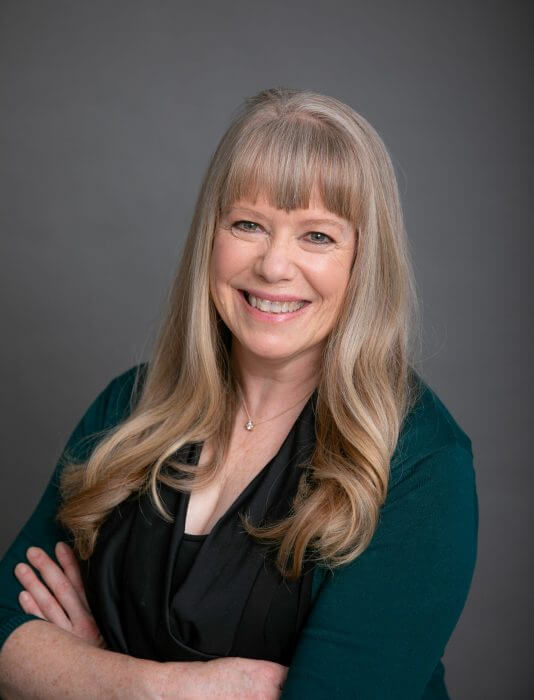
Dr. Pamela Frank has been in practice as a naturopathic doctor for over 26 years. Since 1999, she has earned acclaim as a leading naturopath in Toronto, amassing multiple awards.
Dr. Pamela has a special interest in addressing hormone-related complexities, including but not limited to PCOS, endometriosis, acne, hair loss, weight management, thyroid issues, and fertility.
Residing in Toronto with her family and loyal companion, Dolly the rescue dog, Dr. Pamela seamlessly combines her professional commitment with a diverse range of interests.
Beyond her clinical endeavours, she actively engages in kickboxing, leadership roles within Scout Groups, yoga practice, podcasting, and outdoor pursuits such as backcountry camping.
Dr. Pamela’s comprehensive approach reflects not only her dedication to optimal health but also her passion for continual personal and professional growth.