Are you tired of struggling with hormonal imbalances, fertility issues, or general health concerns? This article reveals the five most effective naturopathic treatments for women’s health, offering practical solutions to enhance your well-being. Recent studies show that 40% of women experience hormonal fluctuations at some point in their lives, making it essential to explore holistic approaches that can restore balance and vitality.
Introduction to Naturopathic Treatments for Women’s Health
Naturopathic treatments for women’s health, focus on the body’s innate ability to heal. These therapies often target hormonal balance, fertility, and general wellness, providing alternatives to conventional medicine. In Ontario, a growing number of women are turning to naturopathy, drawn by its emphasis on individual care and natural remedies.
Key treatments include dietary changes, herbal medicine, acupuncture, and lifestyle adjustments. For instance, specific dietary protocols can significantly impact hormone levels, helping alleviate symptoms associated with conditions like polycystic ovary syndrome (PCOS) and menopause. Herbal remedies, such as vitex and black cohosh, are commonly used to support hormonal balance and relieve menstrual discomfort. Acupuncture, another popular treatment, has been shown to enhance fertility and reduce stress, contributing to overall reproductive health.
Research highlights the effectiveness of these naturopathic approaches. For example, studies indicate that women utilizing naturopathic care experience improved hormonal regulation and enhanced fertility outcomes. This growing body of evidence underscores the importance of integrating naturopathic treatments into women’s health care strategies, enabling women to take charge of their health in a supportive, informed manner.
Naturopath Toronto (Dr. Pamela Frank, ND)
Naturopathic treatments provide effective options for various women’s health issues, particularly concerning hormonal balance and reproductive health. Dr. Pamela Frank has a special interest in conditions like fibroids, endometriosis, PCOS, PMS, Candida, Bacterial Vaginosis (BV), and infertility. By focusing on individual care, her approach integrates dietary changes, herbal medicine, and lifestyle adjustments tailored to each patient’s needs.
With over two decades of experience as a licensed naturopathic doctor, Dr. Frank has built a reputation for her commitment to patient care. She is a member of the Canadian Association of Naturopathic Doctors (CAND) and the Ontario Association of Naturopathic Doctors (OAND), ensuring her practice aligns with provincial standards. Her educational background includes an Honours Bachelor of Science in Biology and Kinesiology from York University and a degree from The Canadian College of Naturopathic Medicine.
Dr. Frank’s dedication to her patients has earned her multiple accolades, including being voted “Best Naturopath in Toronto” by NOW magazine and receiving a Gold Winner award from the Toronto Star Reader’s Choice Awards in 2019. This recognition underscores her effectiveness in addressing women’s health issues and reflects her commitment to providing high-quality natural healthcare.
“Every aspect of your experience at my clinic matters to me. If you are ever dissatisfied, please bring the issue to my attention and the problem will be rectified immediately. We strive to provide you with the very best of natural health care.” – Dr. Pamela Frank, ND (Forces of Nature Wellness Clinic)
Herbal Medicine for Hormonal Balance
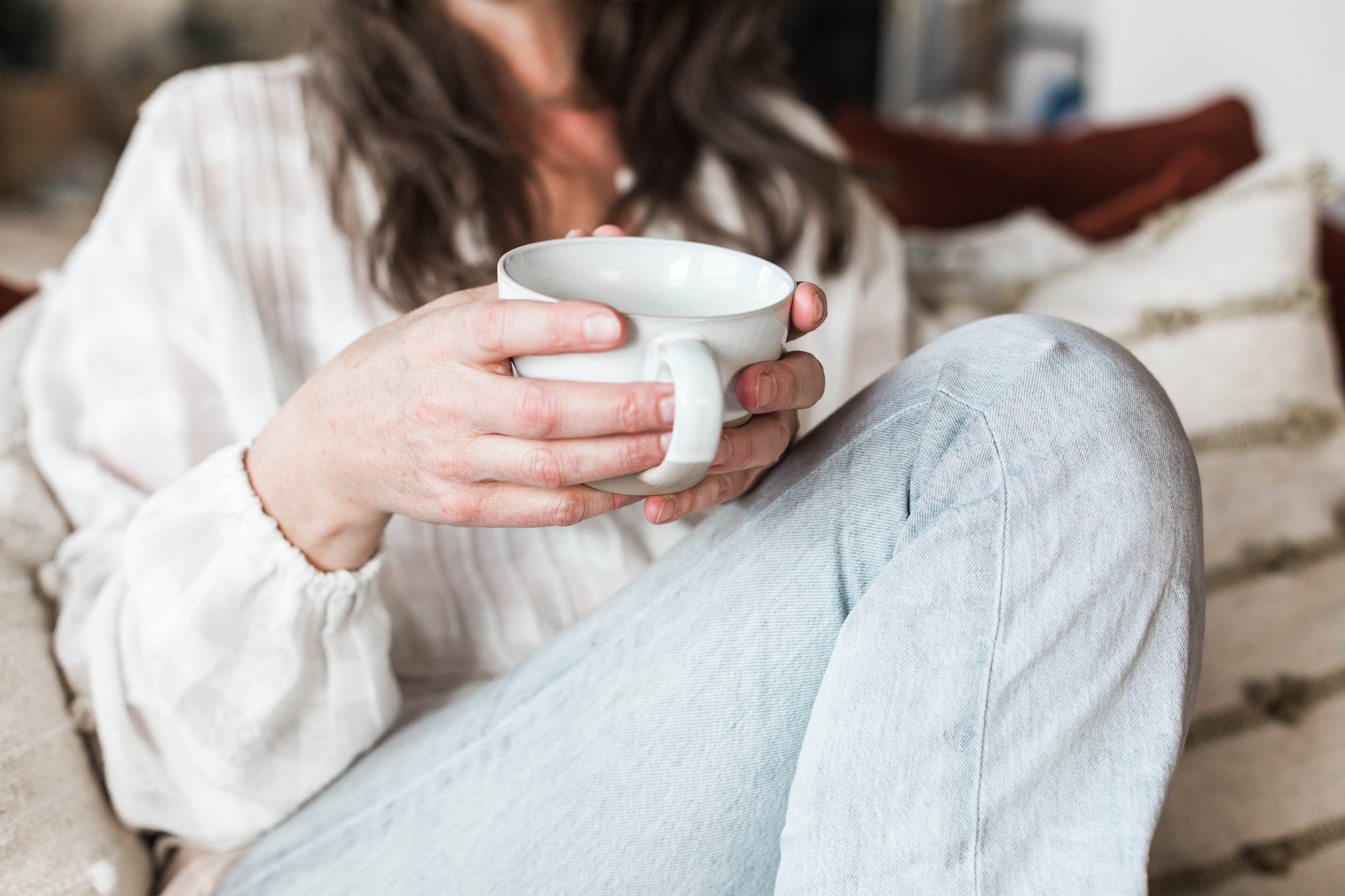
Herbal medicine plays a vital role in achieving hormonal balance, particularly for women experiencing issues like PMS, menopause, or PCOS. Several potent herbs have been studied for their effectiveness in this area.
- Ashwagandha (Withania somnifera): This adaptogenic herb helps reduce stress, supports adrenal function, and balances cortisol levels, which is crucial for hormonal health.
- Shatavari (Asparagus racemosus): Known as a female reproductive tonic, Shatavari supports estrogen balance and may alleviate symptoms associated with menopause and PCOS.
- Black Cohosh (Actaea racemosa): Frequently used to manage menopausal symptoms such as hot flashes and night sweats, Black Cohosh is essential for supporting hormonal equilibrium.
- Chasteberry (Vitex agnus-castus): Renowned for its ability to regulate menstrual cycles, Chasteberry can also reduce PMS symptoms, making it a valuable addition to herbal treatment regimens.
These herbal remedies are increasingly recognized for their effectiveness in supporting women’s health, particularly in Ontario, where natural treatments are gaining popularity.
Acupuncture for Fertility Enhancement
Acupuncture has gained recognition in Ontario as a supportive treatment for enhancing fertility. An overview of ten systematic reviews published between 2019 and 2023 suggests that combining acupuncture with other treatments, such as IVF-ET, may improve pregnancy and ovulation rates.
Clinical studies included in these reviews indicate that acupuncture can significantly enhance clinical pregnancy rates, live birth rates, and the count of high-quality embryos. Additionally, acupuncture might reduce the incidence of ovarian hyperstimulation syndrome, which can be a concern during fertility treatments.
More high-quality research is needed to fully understand the effectiveness of acupuncture in fertility enhancement. A 2022 meta-analysis of 27 studies involving 7,676 participants found that acupuncture as an adjunct to fertility treatments was associated with a higher live birth rate (RR = 1.34) and clinical pregnancy rate (RR = 1.43) compared to control groups.
Nutritional Counselling for Women’s Wellness
Nutritional counselling plays a vital role in supporting women’s wellness, particularly in managing conditions like PCOS and endometriosis. A focus on specific dietary strategies can help regulate hormones and alleviate symptoms.
- Low-Glycemic Index, Low-Glycemic Load Diets: These diets help maintain stable blood glucose levels, crucial for managing insulin resistance, especially in PCOS.
- Mediterranean Diet: Known for its emphasis on whole foods and healthy fats, this diet is effective for metabolic issues associated with PCOS.
- Anti-Inflammatory Diets: Rich in fruits, vegetables, and omega-3 fatty acids, these diets help combat chronic inflammation linked to various women’s health issues.
- Nutritional Supplements: Inositol, vitamin D, curcumin, and cinnamon are beneficial in enhancing insulin sensitivity and promoting hormonal balance.
Approximately 10% of women of reproductive age are affected by endometriosis, which underscores the importance of tailored nutritional approaches in managing women’s health conditions (PMC).
Mind-Body Techniques for Stress Reduction
Mind-body techniques are essential for stress reduction, particularly among women seeking naturopathic treatments. These methods not only enhance mental well-being but also support hormonal balance and overall health.
- Mindfulness-Based Stress Reduction (MBSR): MBSR programs have been shown to lower levels of the stress hormone cortisol and reduce inflammatory markers like IL-6 and TNF-α.
- Cognitive Behavioural Therapy (CBT): This approach effectively reduces the perception of stress, which helps lower cortisol levels and improve immune function. This therapy is best administered by a qualified mental health professional.
- Yoga and Deep Breathing: These practices are noted to reduce inflammation and cortisol levels, proving particularly beneficial for populations under high stress.
Research indicates that mindfulness-based interventions can significantly reduce stress, as evidenced by a meta-analysis showing a standardized mean difference of -0.84 in menopausal women. By incorporating these techniques, women in Ontario can cultivate resilience against stress, leading to improved health outcomes and enhanced quality of life.
Lifestyle Modifications for Optimal Health
Lifestyle modifications play a crucial role in optimizing health, especially for women dealing with conditions like polycystic ovary syndrome (PCOS). Implementing specific dietary changes can significantly enhance overall well-being. Diets rich in antioxidants, such as α-tocopherol, vitamin C, and polyphenols, are particularly beneficial as they help reduce oxidative stress linked to insulin resistance and elevated androgen levels.
Incorporating regular physical activity is another vital component. Engaging in both aerobic and resistance exercises can improve insulin sensitivity, assist in weight management, and enhance metabolic and reproductive health. For women with PCOS, a modest weight reduction of just 5%–10% can lead to substantial psychological, reproductive, and metabolic benefits.
Lastly, behavioural interventions, including educational modules, can foster awareness and adherence to treatment plans, while also addressing mental health challenges. By focusing on these lifestyle modifications, women can take proactive steps toward optimal health, balancing their physical and emotional well-being.
Conclusion: Choosing the Right Naturopathic Treatment
Choosing the right naturopathic treatment involves understanding your specific health needs and the therapies available. Women often seek naturopathic care for issues such as hormonal imbalances, fertility challenges, and overall wellness. Start by consulting with a qualified naturopathic doctor who can assess your individual situation and recommend tailored treatments. This personalized approach ensures that you receive the most effective care for your specific conditions.
Research indicates that many women experience significant improvements in their health through naturopathic interventions. For example, a study found that women who engaged in dietary modifications and herbal treatments reported enhanced hormonal balance and reduced symptoms associated with conditions like menopause and PCOS. Additionally, therapies such as acupuncture not only help with hormonal regulation but also support mental well-being by reducing stress levels, which is crucial for reproductive health.
When selecting a treatment, consider factors like the practitioner’s experience, treatment modalities offered, and your comfort level with the therapies. It’s also beneficial to explore local resources and support networks in Ontario that can provide additional guidance. Engaging with a community can enhance your experience and provide encouragement on your health journey. Ultimately, the right naturopathic treatment can lead to improved health outcomes and a better quality of life for women navigating these specific health challenges.
Frequently Asked Questions
What types of conditions can naturopathic treatments help with in women?
Naturopathic treatments can help with various conditions, including hormonal imbalances, infertility, PCOS, endometriosis, PMS, and menopausal symptoms. These treatments focus on holistic approaches tailored to individual needs.
How does acupuncture improve fertility for women in Ontario?
Acupuncture can enhance fertility by improving clinical pregnancy rates and reducing stress. Recent studies show higher live birth rates when combined with other treatments like IVF, making it a valuable option for women seeking fertility support.
Are there specific dietary recommendations for women with PCOS in Ontario?
Yes, women with PCOS are often advised to follow a low-glycemic index/low-glycemic load diet, Mediterranean diet, or anti-inflammatory diet. These dietary strategies can help regulate insulin levels and promote hormonal balance.
How can herbal medicine assist with menopausal symptoms?
Herbal remedies like black cohosh and shatavari are known to alleviate menopausal symptoms such as hot flashes and mood swings. These herbs help support hormonal balance and overall well-being during menopause.
What role do mind-body techniques play in managing women’s health?
Mind-body techniques, such as mindfulness and yoga, are essential for reducing stress and improving hormonal balance. Research indicates these methods can lower cortisol levels, enhancing both mental and physical health for women.
Sources & References
- Ryan DH, Yockey SR. Weight Loss and Improvement in Comorbidity: Differences at 5%, 10%, 15%, and Over. Curr Obes Rep. 2017 Jun;6(2):187-194. doi: 10.1007/s13679-017-0262-y. PMID: 28455679; PMCID: PMC5497590.
- Amin, S., Atta, M. H., El‐Gazar, H., Zoromba, M., El‐Sayed, M., & Awad, A. G. (2025). Mindfulness for Menopausal Women: Enhancing Quality of Life and Psychological Well‐Being Through a Randomized Controlled Intervention. Journal of Nursing Scholarship, 57(4), 563–575. https://doi.org/10.1111/jnu.70003
- Masoud A, Elsayed F, Abu-Zaid A, Marchand G, Lowe R, Liang B, Jallad M. Systematic review and meta-analysis of the efficacy of acupuncture as an adjunct to IVF cycles in China and the world. Turk J Obstet Gynecol. 2022 Dec 13;19(4):315-326. doi: 10.4274/tjod.galenos.2022.04752. PMID: 36511647; PMCID: PMC9748864.
