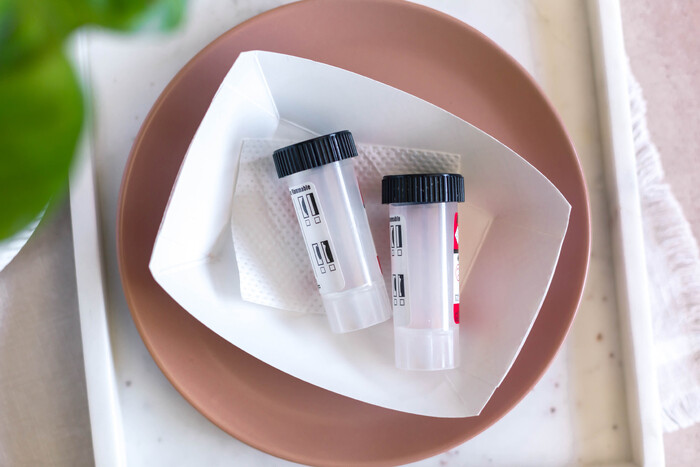
Understanding your internal health through advanced biomarkers is one of the most effective ways to move from reactive care to truly proactive, preventative medicine. Comprehensive health assessments allow us to identify subtle imbalances long before they develop into more serious conditions, giving you the opportunity to intervene early and strategically.
As part of my lab testing as an Ontario naturopath, I routinely use a broad range of evidence-based laboratory investigations to assess hormone balance, metabolic function, nutrient status, inflammation, and organ health. Many of these biomarkers are either not routinely ordered, not interpreted in depth, or simply not available through other doctors in standard primary care settings. This allows for a more complete and nuanced understanding of your physiology.
These tests are particularly valuable during annual health assessments, where the goal is not just to confirm that everything is “normal,” but to evaluate whether your body is functioning optimally. They are also essential if you are experiencing symptoms such as fatigue, hair loss, irregular periods, acne, digestive concerns, weight changes, or fertility challenges. Even in the absence of clear symptoms, comprehensive testing can uncover early warning signs of conditions such as insulin resistance, thyroid dysfunction, or chronic inflammation.
A key advantage of working with a naturopathic doctor is access to a wider scope of testing. If you have ever wondered what tests a naturopathic doctor can order in Ontario, the answer is extensive. Under provincial regulations, naturopathic doctors are authorized to requisition a wide array of laboratory tests across multiple specimen types, including blood, urine, stool, and more. This enables a more thorough investigation compared to standard screening panels.
My clinical approach is both thorough and highly individualized. Rather than ordering excessive or unnecessary testing, I select biomarkers strategically based on your health history, symptoms, and goals. Each test is chosen with a clear purpose: to either confirm a suspected imbalance, rule out potential concerns, or guide targeted treatment decisions. Results are then interpreted in context, not in isolation, allowing for a more accurate and clinically meaningful understanding of your health.
Ultimately, this approach supports a more proactive and preventative model of care. By identifying and addressing imbalances early, we can reduce the risk of chronic disease, improve day-to-day well-being, and support long-term health outcomes.
Laboratory Tests Dr. Pamela Frank, ND Can Order | Naturopathic Doctor Ontario
Naturopathic Medicine · Ontario
Laboratory Tests We Can Order for You
As a Naturopathic Doctor registered with the College of Naturopaths of Ontario, I am authorized to requisition a comprehensive range of laboratory tests — allowing us to build a clear, evidence-based picture of your health from the inside out.
Below is the complete list of tests I can order across all specimen types — blood, stool, urine, saliva, hair, tissue, and breath — along with a brief explanation of what each test measures and why it matters to your care.
Authorized under the Laboratory and Specimen Collection Centre Licensing Act, 1990 (Ontario Regulation 682/90, Appendix C)
194 tests
No tests match your search.
Hormones & Endocrine Function
26 TESTS
1
17-OH-Progesterone
A precursor hormone in the adrenal steroid pathway; important for screening congenital adrenal hyperplasia and assessing adrenal function.
2
5α-Dihydrotestosterone (DHT)
The most potent androgen; elevated levels are associated with hair loss, acne, and prostate changes in both men and women.
3
Adrenocorticotropic Hormone (ACTH)
A pituitary hormone that stimulates cortisol production; used to evaluate adrenal insufficiency and Cushing’s syndrome.
6
Aldosterone
A mineralocorticoid hormone regulating blood pressure and electrolyte balance; important in assessing hypertension and adrenal health.
14
Androstenedione
A precursor to both estrogen and testosterone; elevated levels can signal PCOS, adrenal disorders, or androgen excess.
19
Anti-Müllerian Hormone (AMH)
Produced by ovarian follicles, AMH is the most reliable marker of ovarian reserve and is central to assessing fertility potential.
45
Cortisol (bound and unbound)
The primary stress hormone produced by the adrenal glands; imbalances are linked to fatigue, weight changes, anxiety, and immune dysfunction.
46
C-Peptide Immunoreactivity
A byproduct of insulin production that reflects how much insulin the pancreas is making; useful in differentiating types of diabetes.
53
Dehydroepiandrosterone Sulphate (DHEAS)
An adrenal androgen precursor that declines with age; low levels are associated with fatigue, low libido, and reduced stress resilience.
58
Estradiol
The primary estrogen in premenopausal women; essential for assessing menstrual irregularity, bone health, and menopausal status.
59
Estriol
A weaker estrogen produced in significant quantities during pregnancy; used as a marker of fetal wellbeing and hormonal balance.
60
Estrogen (total)
A broad measure of all circulating estrogens; provides an overview of estrogen status relevant to hormonal health at any life stage.
61
Estrone
The dominant estrogen in postmenopausal women, produced primarily in fat tissue; elevated levels are associated with certain hormone-sensitive conditions.
66
FSH (Follicle-Stimulating Hormone)
Regulates reproductive function and egg development in women; elevated levels indicate diminished ovarian reserve or menopause.
79
Insulin (Fasting and Non-Fasting)
Measures circulating insulin levels to identify insulin resistance, which can precede type 2 diabetes by years and is central to metabolic health.
80
Insulin-Like Growth Factor 1 (IGF-1)
A marker of growth hormone activity; used to evaluate tissue repair, metabolic function, and pituitary health.
87
Leptin
A hormone secreted by fat cells that regulates appetite and energy balance; leptin resistance is strongly linked to obesity and metabolic syndrome.
89
Luteinizing Hormone (LH)
Triggers ovulation in women and testosterone production in men; critical for evaluating fertility, cycle irregularities, and PCOS.
96
Parathyroid Hormone (PTH)
Regulates calcium and phosphorus balance; abnormal levels signal parathyroid disease, vitamin D deficiency, or bone metabolism issues.
101
Pregnenolone
The master precursor hormone from which most steroid hormones are made; low levels may reflect adrenal insufficiency or chronic stress.
102
Progesterone
Essential for menstrual cycle regulation, pregnancy maintenance, and hormonal balance; low levels contribute to PMS, infertility, and estrogen dominance.
103
Prolactin
A pituitary hormone involved in lactation and reproductive function; elevated levels can cause menstrual irregularity and infertility in both sexes.
113
Sex Hormone Binding Globulin (SHBG)
A protein that binds sex hormones and regulates how much is biologically active; low SHBG is associated with insulin resistance and androgen excess.
115
Testosterone (Total)
The primary androgen in both sexes; important for energy, libido, muscle mass, mood, and bone density across the lifespan.
116
Testosterone (Free)
The biologically active fraction of testosterone not bound to proteins; more clinically relevant than total testosterone for assessing androgen sufficiency.
95
Natriuretic Peptide – Brain (BNP)
A cardiac hormone released when the heart is under stress; used to evaluate heart function and fluid overload.
Thyroid Function
7 TESTS
109
Reverse T3 (rT3)
An inactive form of thyroid hormone that can block thyroid receptors; elevated in chronic stress, illness, and certain thyroid conversion problems.
117
Thyroglobulin
A protein produced by the thyroid gland; used to monitor thyroid cancer treatment and assess thyroid tissue activity.
118
Thyroid Peroxidase Antibody (TPO Ab)
An antibody that attacks thyroid enzyme; elevated levels are the hallmark of Hashimoto’s thyroiditis and autoimmune thyroid disease.
119
Thyroid Stimulating Immunoglobulin (TSI)
An antibody that mimics TSH and overstimulates the thyroid; the key diagnostic marker for Graves’ disease (autoimmune hyperthyroidism).
120
Free T4 (Thyroxine Free)
The storage form of thyroid hormone; measures how much active thyroid hormone is available to tissues, independent of binding protein interference.
126
Free T3 (Triiodothyronine Free)
The most metabolically active thyroid hormone; low levels cause fatigue, cold intolerance, and weight gain even when TSH appears normal.
127
TSH (Thyroid Stimulating Hormone)
The pituitary signal that controls thyroid activity; the standard first-line screen for both underactive and overactive thyroid conditions.
Metabolic & Blood Sugar
9 TESTS
30
Blood Urea Nitrogen (BUN)
A waste product of protein metabolism filtered by the kidneys; used to assess kidney function and dietary protein load.
31
BUN / Creatinine Ratio
A ratio that helps distinguish between kidney disease and dehydration as causes of elevated waste products in the blood.
62
Free Fatty Acids
Circulating fats released from fat tissue; elevated fasting levels indicate insulin resistance and increased cardiovascular metabolic risk.
71
Glucose-6-Phosphate Dehydrogenase (G-6-PD)
An enzyme that protects red blood cells from oxidative damage; deficiency causes hemolytic anemia and is important before certain treatments.
72
Glucose (Quantitative)
Measures blood sugar concentration; the foundational test for diagnosing and monitoring diabetes and hypoglycemia.
73
Glucose Tolerance Test (GTT)
A multi-point blood sugar test after a glucose load; the gold standard for diagnosing gestational diabetes and prediabetes.
75
Hemoglobin A1C (HbA1c)
Reflects average blood sugar control over the past 2–3 months; the key long-term marker for diagnosing and managing diabetes and prediabetes.
84
Lactate Dehydrogenase (LDH)
An enzyme released when cells are damaged; elevated levels signal tissue injury from causes ranging from anemia to infection to organ disease.
85
Lactate / Lactic Acid
A byproduct of anaerobic metabolism; elevated levels indicate impaired oxygen delivery to tissues or mitochondrial dysfunction.
Cardiovascular Health
10 TESTS
23
Apolipoprotein A1 (ApoA1)
The main protein component of HDL (“good”) cholesterol; a strong predictor of cardiovascular protection and arterial health.
24
Apolipoprotein B (ApoB)
The primary protein in LDL and VLDL particles; considered a more precise marker of cardiovascular risk than standard LDL cholesterol.
41
Coenzyme Q10 (CoQ10)
An antioxidant essential for cellular energy production in the heart and muscles; deficiency is linked to heart disease, fatigue, and statin use.
64
Fibrinogen (semi-quantitative and quantitative)
A clotting protein that also promotes inflammation; elevated fibrinogen is an independent risk factor for heart attack and stroke.
67
Galectin-3
A protein involved in inflammation and fibrosis; elevated levels predict heart failure progression and chronic inflammatory disease.
76
Homocysteine
An amino acid that damages blood vessel walls when elevated; a key modifiable risk factor for cardiovascular disease, stroke, and dementia.
105
Prothrombin Time & INR
Measures how long blood takes to clot; essential for monitoring anticoagulant therapy and evaluating bleeding or clotting disorders.
121
Total Cholesterol Panel (HDL, LDL, VLDL, Triglycerides)
A comprehensive lipid profile assessing cardiovascular risk by measuring all major cholesterol fractions and blood fats.
128
Uric Acid (Urate)
A metabolic waste product; elevated levels cause gout and are associated with hypertension, kidney disease, and metabolic syndrome.
49
Creatine Phosphokinase (CPK/CK)
An enzyme released from muscle and heart cells when damaged; elevated levels indicate muscle injury, cardiac events, or myopathy.
Immune & Inflammatory Markers
22 TESTS
7
Allergen Specific IgG Antibody
Measures delayed immune reactions (IgG) to specific foods or environmental substances; used in identifying food sensitivities.
8
Allergy Testing (ELISA)
A broad immunological test panel using enzyme-linked assays to detect antibody reactions to a wide range of allergens.
9
Allergy Testing (IgE Specific / RAST)
Identifies immediate IgE-mediated allergic reactions to specific environmental or food allergens through blood measurement.
15
Antibody Screening – Food IgG
Screens for delayed immune responses to specific foods; helpful in identifying dietary contributors to chronic inflammation and gut issues.
16
Antibody Screening IgA
Measures secretory immunoglobulin A, an antibody critical for mucosal immunity in the gut, respiratory tract, and other surfaces.
17
Antibody Screening IgM
The first antibody produced in an immune response; elevated IgM indicates an acute or recent infection.
18
Antigen Leukocyte Antibody
Assesses immune recognition of leukocyte antigens, used in evaluating autoimmune conditions and transplant compatibility.
20
Anti-Nuclear Antibody (ANA)
Screens for antibodies that attack the cell nucleus; a key initial test in the workup of autoimmune diseases like lupus and rheumatoid arthritis.
21
Anti-Parietal Cell Antibody
Antibodies that attack stomach lining cells responsible for B12 absorption; associated with pernicious anemia and autoimmune gastritis.
22
Anti-Reticulin Antibodies
Antibodies linked to celiac disease and gluten sensitivity; an older marker now used alongside more specific celiac antibody panels.
35
Candida Antibodies (IgM, IgG, IgA)
Detects immune responses to Candida albicans; used when chronic yeast overgrowth or systemic candidiasis is suspected.
42
Complement Proteins C3 and C4
Proteins of the innate immune system; low levels suggest autoimmune activity (e.g., lupus) or immune complex disease.
43
Complete Blood Count (CBC)
A comprehensive snapshot of all blood cell types — red cells, white cells, and platelets — essential for detecting infection, anemia, and immune disorders.
47
C-Reactive Protein (CRP)
A liver protein that rises rapidly with infection or tissue injury; a broad marker of active inflammation anywhere in the body.
48
C-Reactive Protein – High Sensitivity (hsCRP)
A more precise version of CRP; even mildly elevated levels predict cardiovascular disease risk and low-grade chronic inflammation.
56
Endomysial Antibody (EMA)
A highly specific antibody for celiac disease; its presence strongly confirms an autoimmune reaction to gluten.
57
Erythrocyte Sedimentation Rate (ESR)
A non-specific marker of systemic inflammation; useful for monitoring autoimmune conditions, infections, and inflammatory diseases over time.
69
Gliadin Antibodies (IgG, IgA)
Antibodies to gliadin, a component of gluten; used in screening for celiac disease and non-celiac gluten sensitivity.
77
HLA-B27 (Histocompatibility Testing)
A genetic marker strongly associated with inflammatory joint conditions such as ankylosing spondylitis and reactive arthritis.
78
Immunoglobulin (Globulin)
Total and fractionated immunoglobulins reflect overall antibody production; abnormal levels indicate immune deficiency or overactivation.
90
Lyme Disease Antibodies
Detects antibodies to Borrelia burgdorferi, the bacterium causing Lyme disease; ordered via Public Health Ontario requisition only.
110
Rheumatoid Factor (RF)
An antibody associated with rheumatoid arthritis and other autoimmune conditions; used as part of joint disease workup.
94
Mononuclear Heterophile Antibodies (Monospot)
A rapid screening test for infectious mononucleosis (Epstein-Barr virus), commonly known as “mono” or glandular fever.
124
Transglutaminase IgA Antibody (tTG-IgA)
The most sensitive and specific blood test for celiac disease; detects the antibody produced against gut tissue in response to gluten.
Nutrients, Vitamins & Minerals
22 TESTS
10
Alpha Tocopherol – Vitamin E
The primary form of vitamin E in circulation; a fat-soluble antioxidant important for immune function, skin health, and protection against oxidative damage.
11
Amino Acids – Total Fractionation
Measures all individual amino acids in blood; identifies deficiencies or imbalances affecting protein synthesis, neurotransmitter production, and detoxification.
25
Ascorbic Acid – Vitamin C
Measures circulating vitamin C levels; essential for collagen synthesis, immune defence, iron absorption, and antioxidant protection.
27
Beta-Carotene (Carotene)
A precursor to vitamin A found in plant foods; reflects dietary intake of carotenoids and overall antioxidant status.
34
Calcium (Total and Ionized)
Measures both total and biologically active calcium; critical for bone health, nerve conduction, cardiac function, and muscle contraction.
38
Ceruloplasmin
A copper-carrying protein that also has antioxidant properties; abnormal levels indicate copper metabolism disorders such as Wilson’s disease.
44
Copper
An essential trace mineral involved in energy production, iron metabolism, and antioxidant enzyme activity; both deficiency and excess are clinically significant.
63
Ferritin
The body’s main iron storage protein; the most sensitive marker of iron stores, with low levels causing fatigue, hair loss, and impaired cognition long before anemia develops.
65
Folate
Vitamin B9; essential for DNA synthesis, cell division, and red blood cell formation — critically important in pregnancy and methylation pathways.
74
Glutathione
The body’s master antioxidant produced in every cell; depletion is associated with oxidative stress, immune dysfunction, and accelerated aging.
81
Intrinsic Factor Blocking Antibody
An antibody that blocks vitamin B12 absorption; its presence confirms pernicious anemia as the cause of B12 deficiency.
82
Iron (Total with Iron Binding Capacity and % Saturation)
A comprehensive panel evaluating iron transport and availability; identifies both iron deficiency and iron overload (hemochromatosis).
91
Magnesium
An essential mineral involved in over 300 enzymatic reactions; deficiency is extremely common and associated with muscle cramps, anxiety, poor sleep, and migraines.
99
Phosphorus (Inorganic Phosphate)
Works closely with calcium for bone and energy metabolism; imbalances can reflect kidney disease, parathyroid disorders, or nutritional deficiency.
100
Potassium
A key electrolyte for heart rhythm, nerve signalling, and muscle function; both low and high levels can cause serious cardiac complications.
108
Retinol – Vitamin A
The active form of vitamin A; essential for vision, immune function, skin integrity, and cell differentiation — deficiency and toxicity both have clinical consequences.
114
Sodium
The primary electrolyte controlling fluid balance and blood pressure; abnormal sodium levels can indicate adrenal problems, kidney disease, or hydration issues.
122
Trace Minerals
A panel measuring essential trace elements (selenium, chromium, manganese, etc.) involved in enzyme function, antioxidant defence, and metabolic health.
129
Vitamin B (All Tests)
Measures the full spectrum of B vitamins (B1, B2, B3, B6, B12, etc.) — a group essential for energy production, neurological health, and red blood cell formation.
130
Vitamin D 1,25-Dihydroxy (Active)
The biologically active hormone form of vitamin D produced by the kidneys; important in evaluating kidney function and granulomatous disease.
131
Vitamin D 25-Hydroxy
The storage form of vitamin D and the standard test for assessing vitamin D status; deficiency is associated with immune dysfunction, mood disorders, bone loss, and increased disease risk.
133
Zinc
An essential mineral for immune function, wound healing, hormone production, and taste; deficiency is common and often under-recognized.
Liver, Kidney & Organ Function
19 TESTS
4
Alanine Transaminase (ALT / SGPT)
A liver enzyme; elevated levels are a sensitive indicator of liver cell damage from causes including fatty liver, alcohol, medications, and viral hepatitis.
5
Albumin (Qualitative)
The most abundant blood protein, made by the liver; low levels reflect liver disease, malnutrition, or chronic inflammatory states.
12
Ammonia
A waste product of protein metabolism normally cleared by the liver; elevated blood ammonia signals impaired liver function or urea cycle disorders.
13
Amylase
A digestive enzyme produced by the pancreas and salivary glands; elevated levels in blood indicate pancreatitis or salivary gland disease.
26
Aspartate Transaminase (AST)
A liver and heart enzyme; elevated levels indicate tissue damage and are used alongside ALT for a fuller picture of liver health.
28
Bilirubin (Total, Direct, Indirect)
A pigment produced from red blood cell breakdown and processed by the liver; elevated levels cause jaundice and indicate liver or gallbladder problems.
36
Carbon Dioxide / Bicarbonate
Reflects the body’s acid-base balance; abnormalities indicate respiratory or metabolic acidosis/alkalosis and kidney compensation status.
39
Chloride
An electrolyte that works with sodium to maintain fluid balance and acid-base equilibrium; abnormalities often accompany kidney or adrenal disorders.
40
Cholinesterase (Pseudo or True)
Enzymes involved in nerve signalling and liver synthetic function; levels fall in liver disease or pesticide poisoning.
50
Creatinine
A muscle waste product filtered entirely by the kidneys; elevated serum creatinine is a reliable marker of reduced kidney filtration.
51
Creatinine Clearance
Compares creatinine in blood and urine to calculate how efficiently the kidneys are filtering waste; a functional measure of kidney health.
55
Electrophoresis (including Total Protein)
Separates blood proteins into fractions to identify abnormal patterns associated with liver disease, multiple myeloma, or immune disorders.
68
Gamma-Glutamyl Transferase (GGT)
A sensitive liver enzyme elevated by alcohol use, bile duct obstruction, and medications; useful for monitoring liver and gallbladder health.
70
Glomerular Filtration Rate (GFR)
Estimates the kidney’s filtration capacity per minute; the primary measure used to stage chronic kidney disease.
88
Lipase
A pancreatic enzyme that digests fats; elevated levels in blood are a specific marker of pancreatic inflammation (pancreatitis).
98
Phosphatase, Alkaline (ALP)
An enzyme found in the liver, bone, and bile ducts; elevated levels indicate liver disease, bile obstruction, or increased bone turnover.
104
Protein, Total (Albumin/Globulin Ratio)
Measures total blood protein and the ratio between albumin and globulins; reflects liver function, nutritional status, and immune activity.
107
Reticulocyte Count
Counts immature red blood cells being released from bone marrow; distinguishes different causes of anemia by showing how actively new cells are being produced.
123
Transferrin
The main protein that transports iron in the blood; elevated levels indicate iron deficiency while low levels suggest inflammation or liver disease.
Tumour Markers & Specialty Tests
10 TESTS
29
Blood Group ABO and RhD
Determines blood type for transfusion safety and pregnancy planning, particularly important for Rh-negative individuals.
32
CA125
A protein marker associated with ovarian cancer and endometriosis; used in monitoring known disease and tracking treatment response.
33
CA15-3
A tumour marker associated with breast cancer; used primarily to monitor treatment response and detect recurrence in diagnosed patients.
37
Carcinoembryonic Antigen (CEA)
A marker elevated in colorectal and other cancers; used primarily to monitor treatment response and detect recurrence after diagnosis.
54
Digitalis Purpurea (Digoxin)
Measures blood levels of the cardiac glycoside digoxin; used to ensure therapeutic dosing and prevent toxicity in patients using this medication.
83
Islet Cell Cytoplasmic Autoantibody (ICA)
An antibody targeting insulin-producing cells; its presence indicates autoimmune destruction of the pancreas and is associated with type 1 diabetes.
A specialized test assessing immune reactivity to metals and other substances; used in investigating metal hypersensitivity and implant reactions.
106
PSA Ratio (Prostate-Specific Antigen)
Compares free to total PSA to improve the accuracy of prostate cancer screening and reduce unnecessary biopsies.
111
S-Adenosylhomocysteine
A metabolite in the methylation cycle; elevated levels impair methylation reactions and are a sensitive indicator of methylation dysfunction.
112
S-Adenosyl Methionine (SAMe)
The body’s primary methyl donor involved in neurotransmitter synthesis, DNA regulation, and detoxification; low levels are associated with depression and impaired detox capacity.
Toxins & Environmental Exposure
7 TESTS
52
Cystathionine
An intermediate in the transsulfuration pathway linking homocysteine to glutathione; elevated levels can indicate B6 deficiency or impaired sulfur amino acid metabolism.
86
Lead
A toxic heavy metal with no safe level of exposure; blood lead measurement is critical for assessing occupational or environmental contamination and neurotoxicity risk.
93
Mercury
A neurotoxic heavy metal accumulated through fish consumption and environmental exposure; elevated levels impair brain, kidney, and immune function.
97
PCBs (Polychlorinated Biphenyls)
Persistent environmental toxins that accumulate in fat tissue; associated with endocrine disruption, immune suppression, and increased cancer risk.
125
Trichlorobenzene
An industrial solvent and environmental contaminant; measured when occupational or environmental chemical exposure is suspected.
132
Volatile Solvents
Measures circulating levels of industrial chemicals (e.g., benzene, toluene, xylene) from occupational or environmental exposure that can damage the nervous system and organs.
83
Islet Cell Cytoplasmic Autoantibody (ICA)
An antibody associated with autoimmune damage to insulin-producing pancreatic cells; a predictive marker for type 1 diabetes development.
Tests Performed on Stool
7 TESTS
134
Bacteria / Yeast (Microbiology Profile)
Identifies the types and relative amounts of bacteria and yeast living in the gut; used to detect dysbiosis, pathogenic overgrowth, and imbalances linked to digestive symptoms and immune dysfunction.
135
Calprotectin (Fecal)
A protein released by white blood cells in the intestinal lining; elevated levels indicate active gut inflammation, helping distinguish inflammatory bowel disease from irritable bowel syndrome.
136
Comprehensive Digestive Stool Analysis (CDSA)
A multi-marker panel assessing digestion, absorption, microbiome balance, inflammation, and immune function in the gut; provides a broad functional picture of gastrointestinal health.
137
Elastase (Fecal)
A pancreatic enzyme measured in stool that reflects the exocrine function of the pancreas; low levels indicate pancreatic insufficiency and impaired digestion of fats and proteins.
138
Fecal Fat
Measures unabsorbed fat in stool; elevated fecal fat (steatorrhea) indicates malabsorption from pancreatic insufficiency, celiac disease, or other causes of fat digestion failure.
139
Occult Blood (Fecal)
Detects hidden blood in stool not visible to the naked eye; a key screening tool for colorectal cancer, polyps, and gastrointestinal bleeding.
140
Parasites and Ova
Microscopically examines stool for the presence of parasitic organisms and their eggs; essential for diagnosing parasitic infections that cause chronic diarrhea, bloating, and nutrient malabsorption.
Tests Performed on Urine
28 TESTS
141
5α-Dihydrotestosterone (DHT) — Urine
Measures urinary DHT metabolites to assess androgen activity; useful in evaluating hair loss, acne, and androgen-driven conditions where blood levels may not capture the full picture.
142
Aldosterone — Urine
A 24-hour urine collection for aldosterone provides a more stable assessment of this mineralocorticoid hormone than a single blood draw, useful in hypertension and adrenal workup.
143
Bilirubin — Urine
Detects conjugated bilirubin in urine, which is abnormal in healthy individuals; its presence indicates liver disease or bile duct obstruction before jaundice becomes visible.
144
Bisphenol A (BPA) — Urine
Measures urinary BPA, a widespread plastics-derived endocrine disruptor; elevated levels are associated with hormonal imbalance, metabolic dysfunction, and reproductive concerns.
145
Calcium, Ionized — Urine
Measures how much calcium the kidneys are excreting; used to evaluate kidney stone risk, calcium metabolism disorders, and parathyroid function.
146
Chlorinated Pesticides — Urine
Detects residues of organochlorine pesticides that persist in the body; associated with endocrine disruption, neurological effects, and immune dysfunction from chronic low-level exposure.
147
Cortisol — Urine (bound and unbound)
A 24-hour urine cortisol collection reflects integrated adrenal output over the full day, offering a more complete picture of cortisol burden than a single blood draw.
148
Cortisol / Cortisone — Urine
The ratio of cortisol to its inactive form cortisone reflects 11β-HSD enzyme activity, which regulates glucocorticoid metabolism in tissues and is relevant to metabolic syndrome and stress.
149
Creatinine Clearance — Urine
Compares urine and blood creatinine to calculate the kidney’s filtration rate; a functional measure of kidney efficiency used to stage and monitor kidney disease.
150
Cultures — Urine (Screening and Actual Culture)
Identifies bacteria causing urinary tract infections and determines antibiotic sensitivity; essential for guiding effective, targeted treatment of UTIs.
151
DHEAS — Urine
Urinary DHEAS reflects adrenal androgen production over 24 hours; used alongside blood levels to fully evaluate adrenal function and androgen status.
152
Estradiol — Urine
Urinary estradiol reflects estrogen metabolism and excretion; used in comprehensive hormone assessments, particularly when evaluating estrogen detoxification pathways.
153
Estriol — Urine
The weakest naturally occurring estrogen measured in urine; important as a marker of estrogen metabolism and, during pregnancy, as an indicator of fetal wellbeing.
154
Estrogen (Total) — Urine
Provides a cumulative 24-hour picture of all estrogen fractions excreted; offers insight into total estrogen burden and how efficiently the body clears estrogen.
155
Estrone — Urine
The dominant postmenopausal estrogen measured in urine; elevated levels may reflect excess conversion of androgens to estrone in adipose tissue.
156
Human Growth Hormone — Urine
Detects growth hormone in urine, which reflects pulsatile secretion over time; used in the assessment of growth hormone deficiency or excess.
157
Luteinizing Hormone (LH) — Urine
Urinary LH detection is commonly used to identify the LH surge that signals ovulation; important in fertility monitoring and cycle assessment.
158
Melatonin — Urine
Measures the primary metabolite of melatonin in urine to assess sleep-wake cycle regulation, circadian rhythm function, and nighttime melatonin production.
159
Oxytocin — Urine
Measures urinary oxytocin, the bonding and social connection hormone; relevant in assessing stress responses, attachment, and emerging research on mood and wellbeing.
160
Porphyrins Screen — Urine
Detects abnormal porphyrin compounds in urine; elevated levels indicate heavy metal toxicity (especially mercury and lead) or porphyria disorders affecting the nervous system.
161
Progesterone — Urine
Urinary progesterone metabolites provide a longer time-window snapshot of progesterone production than blood levels, useful in evaluating luteal phase function and cycle health.
162
Routine Urinalysis
A broad initial screen of urine measuring glucose, blood, ketones, leukocytes, protein, pH, and specific gravity; essential for detecting kidney disease, diabetes, infection, and metabolic disturbances.
163
Testosterone — Urine
Urinary testosterone and its metabolites reflect androgen production and metabolism over time; complementary to blood levels in assessing androgen status.
164
Testosterone (Free) — Urine
Measures the biologically active, unbound fraction of testosterone excreted in urine; provides insight into androgen activity at the tissue level.
165
Thyroid Hormones — Urine
Urinary thyroid hormone excretion reflects tissue exposure to thyroid hormones and can reveal patterns not always captured in standard blood testing.
166
Toxic Metals — Urine
Screens urine for a panel of heavy metals including arsenic, cadmium, mercury, and lead; urine is the preferred specimen for assessing recent or ongoing toxic metal exposure.
167
Uric Acid (Urate) — Urine
Measures how much uric acid the kidneys are excreting, distinguishing between overproduction and underexcretion as the cause of elevated blood uric acid and gout.
168
Urinary Organic Acid Test (OAT)
Measures dozens of metabolic byproducts in urine to assess mitochondrial function, nutrient deficiencies, neurotransmitter metabolism, gut dysbiosis, and detoxification capacity in one comprehensive panel.
Tests Performed on Saliva
15 TESTS
169
17-OH-Progesterone — Saliva
Salivary 17-OH-progesterone reflects the free, bioavailable fraction of this adrenal precursor hormone; useful for tracking adrenal function without the stress response triggered by blood draws.
170
5α-Dihydrotestosterone (DHT) — Saliva
Salivary DHT reflects free androgen activity at the tissue level; useful for evaluating hair loss, acne, and androgen-driven conditions in a non-invasive collection format.
171
Aldosterone — Saliva
Salivary aldosterone reflects the free, active mineralocorticoid level; collected at multiple times of day, it offers a dynamic picture of fluid and blood pressure regulation.
172
Androstenedione — Saliva
A salivary measure of the androgen precursor androstenedione; reflects free hormone activity and is used in evaluating adrenal and ovarian androgen production.
173
Cortisol — Saliva (bound and unbound)
Salivary cortisol collected at four points throughout the day maps the diurnal cortisol curve, revealing adrenal fatigue, HPA axis dysregulation, and stress-related patterns that single blood draws miss.
174
DHEAS — Saliva
Salivary DHEAS measures the free fraction of this adrenal androgen; important for assessing adrenal reserve, resilience to stress, and age-related hormonal decline.
175
Esterol — Saliva
A salivary measure of esterol, an estrogen metabolite; used as part of comprehensive salivary hormone panels to evaluate estrogen activity and balance.
176
Estradiol — Saliva
Salivary estradiol measures the free, biologically active form of the primary estrogen; non-invasive and ideal for tracking hormonal fluctuations across the menstrual cycle or in perimenopause.
177
Estriol — Saliva
Salivary estriol reflects the weakest estrogen’s free tissue concentration; relevant in assessing estrogen metabolism and the protective estrogen balance.
178
Estrogen (Total) — Saliva
Measures the combined free estrogen activity in saliva; provides an accessible, non-invasive overview of total estrogen exposure relevant to hormonal symptoms at any life stage.
179
Estrone — Saliva
Measures the free fraction of estrone, the dominant postmenopausal estrogen, in saliva; elevated salivary estrone may reflect excess estrogen conversion from fat tissue.
180
Melatonin — Saliva
Salivary melatonin collected in the evening measures the onset of melatonin secretion (DLMO), a precise marker of circadian rhythm timing used to assess and treat sleep disorders.
181
Progesterone — Saliva
Salivary progesterone reflects the free, tissue-available fraction of progesterone; particularly useful for detecting luteal phase insufficiency and guiding hormone support therapy.
182
Testosterone — Saliva
Measures the free, bioactive fraction of testosterone in saliva; a non-invasive and practical way to assess androgen status for libido, energy, mood, and muscle function concerns.
183
Testosterone (Free) — Saliva
Specifically isolates the unbound, biologically active testosterone in saliva; considered a clinically meaningful measure of androgen sufficiency, particularly in women.
Tests Performed on Hair
1 TEST
184
Heavy Metal — Hair Element Analysis
Analyzes a small hair sample for a broad panel of toxic heavy metals and essential minerals, providing a long-term record (months) of elemental exposure and mineral status that blood or urine cannot capture.
Tests Performed on Tissue, Discharge & Sputum
8 TESTS
184.1
Cervicovaginal Cellular Evaluation (Pap Smear)
Examines cells from the cervix for abnormal changes caused by HPV or pre-cancerous transformation; the primary screening tool for cervical cancer prevention.
185
Culture — Throat Swab for Streptococcus Screen
Identifies the presence of Group A Streptococcus in the throat; used to confirm strep throat and guide the decision to use antibiotics versus watchful waiting.
186
Culture and Sensitivities — Other Swabs or Pus
Grows bacteria from wound, skin, or discharge samples and tests which antimicrobials can effectively treat the infection, enabling targeted therapy.
187
Culture and Sensitivities — Sputum
Identifies bacteria or fungi in coughed-up respiratory secretions and determines antibiotic sensitivity; essential for diagnosing pneumonia and lower respiratory tract infections.
188
Nail and Skin Cultures
Identifies the specific fungal species causing nail or skin infections (e.g., tinea, onychomycosis) and guides selection of the most effective antifungal treatment.
189
Nasal Swabs (Culture and Smear)
Detects bacterial colonization or infection in the nasal passages, including MRSA screening and respiratory pathogen identification.
191
Seminal Fluid Examination (Complete)
Evaluates sperm count, motility, morphology, volume, and other parameters; the foundational test for assessing male fertility and reproductive health.
191.1
Smear Only — Gram or Papanicolaou Stain
Prepares and stains a specimen to classify bacteria by cell wall type (Gram stain) or identify abnormal cells (Pap stain), providing rapid diagnostic direction before culture results are available.
Tests Performed on Breath
3 TESTS
192
Hydrogen Breath Test
Measures hydrogen and methane gas exhaled after ingesting a sugar solution; elevated levels produced by gut bacteria indicate carbohydrate malabsorption (e.g., lactose or fructose intolerance) or small intestinal bacterial overgrowth (SIBO).
193
Intestinal Permeability Test
Uses orally ingested sugar molecules of different sizes to measure how much passes through the gut wall into urine; an objective functional assessment of “leaky gut” (increased intestinal permeability).
194
Urea Breath Test for H. pylori
Detects active Helicobacter pylori infection in the stomach by measuring labelled carbon dioxide in exhaled breath after ingesting urea; a non-invasive, highly accurate test for this ulcer-causing bacterium.
Frequently Asked Questions About Advanced Lab Testing
What are these tests, and why would I need them?
These are comprehensive biomarker-based health assessments designed to evaluate key systems in the body, including hormones, metabolism, inflammation, and nutrient status. Unlike basic screening labs, this type of advanced lab testing in Ontario with a naturopath is more thorough, proactive, and preventative, helping identify imbalances before they develop into more serious conditions.
What tests can a naturopathic doctor order in Ontario?
A licensed naturopathic doctor can order a wide range of laboratory and functional tests. These may include blood work, hormone panels, metabolic markers, and specialized testing that is often not available through other doctors or not typically offered in standard care. These tests provide deeper insight into your health and support more individualized treatment plans.
Do I need a reason or symptoms to get tested?
Not necessarily. Many patients pursue annual health assessments as part of a proactive health strategy. Others seek testing due to symptoms such as fatigue, irregular periods, fertility challenges, digestive issues, hair loss, or unexplained weight changes. Testing can be valuable both for prevention and for investigation.
How is this different from tests ordered by my medical doctor?
While conventional lab work is essential, it is often focused on diagnosing disease. Naturopathic lab testing tends to be more preventative and functional, assessing optimal ranges rather than just disease thresholds. It may also include biomarkers that are not routinely tested in standard care.
The process is straightforward. After an initial consultation, your naturopathic doctor will recommend appropriate biomarkers and lab testing based on your health history and goals. You will then complete the testing through a licensed lab. Once results are available, Dr. Pamela Frank, Naturopath, will review them with you and create a personalized plan.
Do I need a referral?
No referral is required to undergo testing through a naturopathic doctor in Ontario. You can book directly for an initial naturopathic health assessment and testing recommendations.
How much do these tests cost?
Costs vary depending on the type and number of tests ordered. Basic panels may be relatively affordable, while more comprehensive or specialized testing can be more expensive. Some tests may be covered through OHIP if ordered through a medical doctor, while others are paid out of pocket. You will always be informed of costs in advance.
Are these tests covered by insurance?
In Ontario, lab tests ordered by a naturopathic doctor are not covered by OHIP. However, many extended health insurance plans cover naturopathic consultations, which can offset overall costs. Health spending accounts will usually cover lab tests. Some insurance plans may cover lab tests under the category of “lab testing,” “medical testing,” or “diagnostic testing.” Some will cover tests, but NOT if OHIP would have covered them if they were ordered by your doctor. Check with your insurance company.
How often should I do this type of testing?
For many patients, annual health assessments are appropriate. Others may require more frequent monitoring depending on their condition, treatment plan, or health goals.
What happens after I get my results?
Naturopathic doctor Pamela Frank will interpret your results in detail with you, looking at patterns and root causes. From there, you will receive a personalized, evidence-informed plan that may include nutrition, lifestyle strategies, and targeted supplementation to optimize your health.
Is this approach evidence-based?
Yes. A qualified naturopathic doctor, like Dr. Frank, uses clinically relevant biomarkers alongside current research to guide recommendations. The goal is to combine scientific evidence with a thorough, individualized approach to care.
Is this testing right for me?
If you are looking for a more proactive, preventative, and comprehensive understanding of your health, this approach may be a strong fit. It is especially helpful for individuals who feel their concerns have not been fully addressed or who want deeper insight into their overall health status.