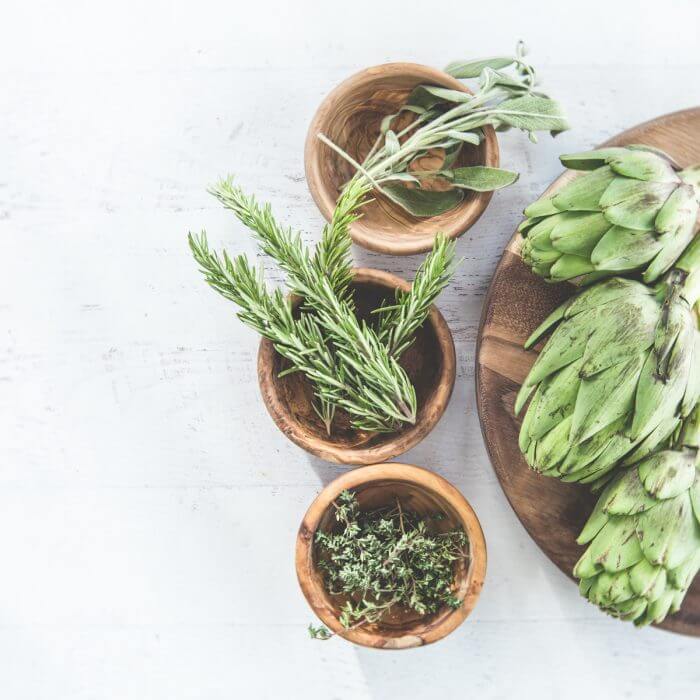
Herbal Medicine or Botanical Medicine
What is Herbal Medicine?
Herbal medicine is the use of herbs (plants or plant extracts) to help your body heal. Herbs provide nourishment and relieve symptoms while addressing the root cause of your health problems.
What conditions can you use herbs for?
There is an herb for just about everything. The trick is to know the subtleties of each and which is most appropriate for the particular person. I can advise on the dose, the format (tincture, tablet, capsule, salve, etc.), and the manufacturer to use. Quality control with herbs makes a big difference. Many products on health food store shelves contain little or no active ingredient from the herb that they are meant to contain. Therefore, they don’t work, and people get discouraged about using herbal treatment.
I tried herbal medicine and it didn’t work, why?
There are a few reasons why an herb might not have worked for you:
- It wasn’t the right one for you. Because someone posted that XYZ herb worked for them online, or a health food store employee or a site that sells herbs recommended it, it doesn’t mean that that particular herb is right for you. There are subtle differences between herbs that make one more appropriate than another. This is where I come in.
- Quality control. Botanical medicines contain active ingredients. These can be fragile or only present under certain conditions. For example, the herb has to be picked at a certain time of year or from a particular geographical region to contain the active ingredient. Premium manufacturers know this and collect and process herbs accordingly. Most over-the-counter manufacturers don’t. Therefore, this is why I prefer professional products.
- Timing and Dosage. For an herb to work it has to be taken at the right time of day, in the right amount and fairly consistently for the right length of time.
Because they’re natural, all herbs are safe, right?
No. Herbs are toxic if taken incorrectly. They also interact with prescription medications. For example, St. John’s Wort, a popular anti-depressant herb, should NOT be taken with prescription anti-depressants. Some herbal medicines are not safe for children, pregnant or breastfeeding women or people with kidney or liver disease.
Some herbs are only safe for a limited time, so they don’t accumulate in your system.
It always pays to seek professional guidance. That way, you are not wasting money on something that is ineffective or even harmful.
“There’s no research proving that herbs are effective.”
This assertion is 100% false. Anyone making this statement is intentionally trying to mislead you. If you look at each of my Conditions pages, you’ll see a small sampling of research at the bottom proving the safety and effectiveness of all the treatments I offer. Here’s just one example:
According to our thorough meta-analysis, ginger is safe and well-tolerated, and decreases the severity of postoperative nausea and vomiting (PONV), and may lower the incidence of postoperative nausea and vomiting, which in turn may reduce antiemetic drug demand, suggesting that ginger may be a useful alternative to antiemetic medications to alleviate PONV. Phytomedicine. 2018 Nov 15;50:8-18. doi: 10.1016/j.phymed.2018.09.007. Epub 2018 Sep 5.
Ginger (Zingiber officinale): An alternative for the prevention of postoperative nausea and vomiting. A meta-analysis.
Tóth B1, Lantos T2, Hegyi P3, Viola R4, Vasas A1, Benkő R4, Gyöngyi Z5, Vincze Á6, Csécsei P7, Mikó A3, Hegyi D5, Szentesi A3, Matuz M4, Csupor D8
For help figuring out which herbs are best for you or your health problem, book an appointment here or call the clinic at 416-481-0222 for more information.
by Dr. Pamela Frank, BSc(Hons), ND, updated March 14, 2026
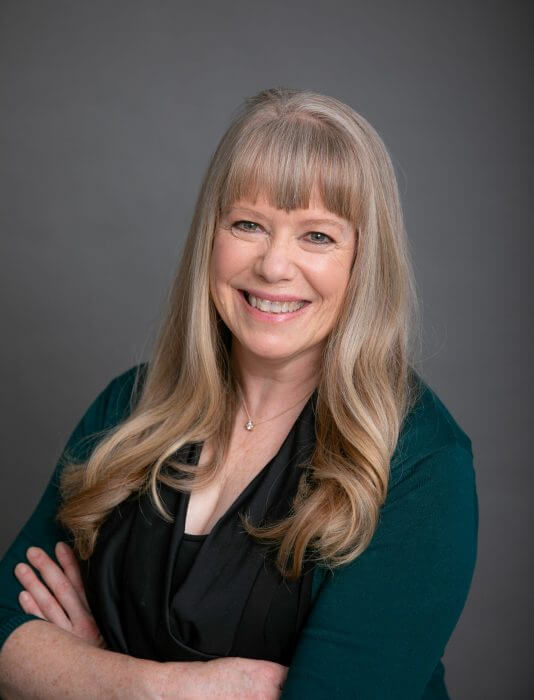
Dr. Pamela Frank has been in practice as a naturopathic doctor for over 26 years. Since 1999, she has earned acclaim as a leading naturopath in Toronto, amassing multiple awards.
Dr. Pamela has a special interest in addressing hormone-related complexities, including but not limited to PCOS, endometriosis, acne, hair loss, weight management, thyroid issues, and fertility.
Residing in Toronto with her family and loyal companion, Dolly the rescue dog, Dr. Pamela seamlessly combines her professional commitment with a diverse range of interests.
Beyond her clinical endeavours, she actively engages in kickboxing, leadership roles within Scout Groups, yoga practice, podcasting, and outdoor pursuits such as backcountry camping.
Dr. Pamela’s comprehensive approach reflects not only her dedication to optimal health but also her passion for continual personal and professional growth.