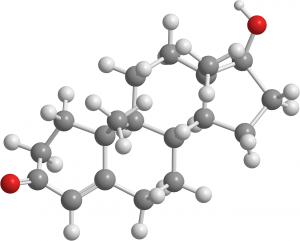
The Importance of Testosterone
What is Testosterone?
Testosterone is a steroid hormone that both men and women make. Hormones are chemicals that your body produces and that are released into your bloodstream. They are carried to target organs. There, they can bind to a receptor. When the hormone binds to its receptor, it causes an effect in your body.
Hormones usually cause several effects. This particular hormone is crucial in bone, muscle, and fat metabolism, red blood cell production, and brain health. Some of this hormone’s other functions depend on whether you are male or female.
Testosterone in Men
For men, this hormone is responsible for male secondary sexual characteristics. These include:
- Facial hair growth
- Underarm hair
- Enlargement of the penis and scrotum at puberty
- Adam’s apple
- Voice change
- Pubic hair
- Muscle development
- Body hair
Testosterone in Women
While this is generally considered a “male” hormone, women make it, too. In fact, healthy levels are vital to women’s overall well-being. In women, the level peaks around the ovulatory phase of the cycle.
This hormone helps with cognitive function, musculoskeletal health, estrogen production, and libido in women.
What are the Symptoms of Low Testosterone in Men?
Symptoms of low male testosterone include:
- low sex drive
- low energy
- weight gain
- depression
- low self-esteem
- less body or facial hair
- thinner bones
- low muscle mass
- foggy thinking
- abdominal fat
- infertility
- insulin resistance
- diabetes
- high triglycerides
What are the Symptoms of Low Testosterone in Women?
The symptoms of low testosterone in women are:
- low energy
- low muscle mass
- depression
- low libido
- poor brain function
What are the Symptoms of High Testosterone in Men?
As with anything, it is best to have a healthy balance. There can be too much of a good thing if this hormone is too high. The symptoms of high male testosterone are:
- A decrease in testicle size
- A decrease in sperm count
- Increased red blood cell count
- Acne
- Oily skin
- Prostate enlargement
- Sleep apnea
- Water retention
- Breast growth
What are the Symptoms of High Testosterone in Women?
Women with too much of this hormone can have a hormonal condition called Polycystic Ovarian Syndrome or PCOS. The symptoms of high female testosterone are:
- Acne
- Oily skin
- Oily hair
- Irregular periods
- Excess facial hair
- Excess body hair
- Head hair loss
- Infertility
- Acanthosis nigricans
- Ovarian cysts
- Lack of ovulation
- Anxiety
- Depression
What are Normal Testosterone Levels?
Lab ranges are just averages of (often) unhealthy people. An ideal testosterone level is where you would like to be for optimal health. There is little or no data on optimal ranges for hormones. I will interpret any lab results based on 26 years of clinical experience. I can order these tests if you have not had thorough hormone testing. How we optimize testosterone levels depends on their level: whether they are at the high end of normal or the low end of normal.
What Causes High Testosterone?
You make testosterone from another hormone called androstenedione. An enzyme drives this conversion, and it increases its activity under the influence of insulin.
If you are producing too much of this hormone, you should look for ways to decrease your insulin level. This can be done by reducing your carb and sugar intake, reducing your stress, and increasing your physical activity. I can help lower high levels in both men and women.
Other causes of excess include hormone-secreting tumours (adrenal, testicular, ovarian) and congenital adrenal hyperplasia.
What Causes Low Testosterone in Men?
Low testosterone in men is caused by:
Hypogonadism
This means underactivity of the testes. This can be primary, meaning it is a direct problem with your testes. Alternatively, it can be secondary, meaning that the problem stems from elsewhere. Examples of secondary hypogonadism are problems with your pituitary gland or thyroid.
Obesity
Low levels of this hormone are also associated with obesity in men. Healthy weight loss is recommended over hormone replacement.
Metabolic Syndrome
Metabolic Syndrome is a collection of symptoms that include high cholesterol, high blood pressure, and blood sugar dysregulation is also associated with low testosterone in men. I can help with Metabolic Syndrome.
Sleep apnea
Sleep apnea contributes to low male testosterone. Correcting sleep apnea involves weight loss, diet changes to reduce inflammatory foods, and helping the body burn fat.
Very Low Levels of Cholesterol
Because cholesterol is the skeleton for all of the hormones, a cholesterol deficiency contributes to low levels of all of the hormones. If you are on cholesterol-lowering medication and your cholesterol is too low, your dose may need adjusting.
Low Testosterone Treatment Options
As a naturopath, I can help your body make hormones properly through natural means. I do this by ensuring the optimal function of your reproductive organs, addressing your blood pressure, blood sugar, and weight, and helping with your sleep apnea.
This allows your body to make the proper amount of hormones without pills or injections.
How Do You Make Testosterone?
Women make this hormone in their ovaries and adrenal glands. Men produce it in their testes. To make any of the hormones, you must make a hormone called pregnenolone from cholesterol. In either gender, testosterone synthesis is from another hormone called androstenedione. This hormone is made from either DHEA or progesterone. Maintaining healthy production of all these hormones helps to make better amounts of other hormones.
How Can You Boost Testosterone?
The best way to increase this hormone is to address the factors that suppress it. A low glycemic index diet rich in Omega-3s helps.
As a naturopath, natural treatment for low levels of this hormone involves losing weight, reducing stress, building muscle, addressing the root cause of high blood pressure and high cholesterol, and fixing sleep apnea. Since DHEA is a building block for this hormone, maintaining healthy adrenal gland/HPA axis function also helps.
How Can You Decrease Testosterone?
To decrease the excess production of this hormone in women, we need to reduce insulin production. A clean diet helps. So does exercise. In addition, vitamins, minerals, and herbs can help your body make less of this hormone by making less insulin.
If you want help improving your hormone levels or any other health issue, call the clinic at 416-481-0222 or book online anytime here. I can give you tailored advice in person or virtually if you are anywhere in Ontario. If you are elsewhere, I can’t provide personalized treatment, but you can get general information about natural approaches for PCOS in my ebook here.
Authored by Dr. Pamela Frank, BSc, ND

Dr. Pamela Frank has been in practice as a naturopathic doctor for over 26 years. Since 1999, she has earned acclaim as a leading naturopath in Toronto, amassing multiple awards.
Dr. Pamela has a special interest in addressing hormone-related complexities, including but not limited to PCOS, endometriosis, acne, hair loss, weight management, thyroid issues, and fertility.
Residing in Toronto with her family and loyal companion, Dolly the rescue dog, Dr. Pamela seamlessly combines her professional commitment with a diverse range of interests.
Beyond her clinical endeavours, she actively engages in kickboxing, leadership roles within Scout Groups, yoga practice, podcasting, and outdoor pursuits such as backcountry camping.
Dr. Pamela’s comprehensive approach reflects not only her dedication to optimal health but also her passion for continual personal and professional growth.
Sources:
Davis SR, Wahlin-Jacobsen S. Testosterone in women–the clinical significance. Lancet Diabetes Endocrinol. 2015 Dec;3(12):980-92. doi: 10.1016/S2213-8587(15)00284-3.
Maia H Jr, Casoy J, Valente J. Testosterone replacement therapy in the climacteric: benefits beyond sexuality. Gynecol Endocrinol. 2009 Jan;25(1):12-20. doi: 10.1080/09513590802360744.
Blaya R, Blaya P, Rhoden L, Rhoden EL. Low Testosterone Levels and Metabolic Syndrome in Aging Male. Curr Pharm Des. 2017 Nov 28;23(30):4470-4474. doi: 10.2174/1381612823666170503150955.
McGee EA, Sawetawan C, Bird I, Rainey WE, Carr BR. The effect of insulin and insulin-like growth factors on the expression of steroidogenic enzymes in a human ovarian thecal-like tumor cell model. Fertil Steril. 1996 Jan;65(1):87-93.
Grossmann M. Hypogonadism and male obesity: Focus on unresolved questions. Clin Endocrinol (Oxf). 2018 Jul;89(1):11-21. doi: 10.1111/cen.13723. Epub 2018 May 16.
Al-Dujaili EAS, Ashmore S, Tsang C. A Short Study Exploring the Effect of the Glycaemic Index of the Diet on Energy intake and Salivary Steroid Hormones. Nutrients. 2019 Jan 24;11(2). pii: E260. doi: 10.3390/nu11020260.
Symes EK, Bender DA, Bowden JF, Coulson WF. Increased target tissue uptake of, and sensitivity to, testosterone in the vitamin B6 deficient rat. J Steroid Biochem. 1984 May;20(5):1089-93.