
Many of my patients report feeling “burnt out”.
What exactly does “burn out” mean?
Burnout is a state of deep physical, mental, and emotional exhaustion that develops after prolonged exposure to stress. It often occurs when a person has been operating in “survival mode” for an extended period of time – pushing through deadlines, responsibilities, emotional strain, or caregiving demands without adequate recovery. Unlike ordinary fatigue that improves with a good night’s sleep or a short break, burnout tends to feel persistent and overwhelming, leaving a person drained even after rest.
Over time, chronic stress places a heavy burden on the body’s stress response systems, including the nervous system and hormonal pathways that regulate energy, mood, and resilience. As these systems become strained, people may begin to experience symptoms such as persistent fatigue, irritability, poor concentration, sleep disturbances, low motivation, and a sense of emotional detachment from work or daily responsibilities. Tasks that once felt manageable may begin to feel disproportionately difficult.
Burnout can also affect how a person views their work, relationships, and even themselves. Many individuals describe feeling cynical, disengaged, or ineffective, as though their efforts are no longer making a meaningful impact. In professional settings, this can manifest as reduced productivity, difficulty making decisions, or feeling overwhelmed by routine tasks. Outside of work, it may show up as withdrawal from social activities, loss of enjoyment in hobbies, or feeling mentally “checked out.”
Importantly, burnout is not simply about being busy. It tends to develop when high demands are combined with insufficient recovery, lack of control, unclear expectations, or feeling unrecognized or unsupported. While it is often associated with work-related stress, burnout can also occur in other demanding roles such as caregiving, parenting, or managing chronic health challenges.
Because burnout develops gradually, many people do not recognize it until the exhaustion becomes severe. Understanding what burnout is – and recognizing its early warning signs – can help individuals take steps to restore balance, rebuild resilience, and support both mental and physical well-being.
Why does this happen?
There are a number of possible explanations for exhaustion, the most common of which should be ruled out:
- Hypothyroidism – An underactive thyroid can lead to exhaustion, feelings of coldness, hair loss, weight gain, menstrual irregularities, and sluggish thinking.
- Low iron – this is a common concern for women due to blood loss each month with menstrual cycles.
- Burnt out adrenal glands or adrenal fatigue, more accurately known as HPA axis dysfunction. The adrenal glands are under-recognized as the source of a number of health problems. The adrenals are your stress glands. They help your body to deal with stress along with a host of other duties: blood pressure, blood sugar, hormone balance, and production of anti-inflammatories. Signs that the adrenals may not be working well include burnout, hypoglycemia, high/low or unstable blood pressure, and the presence of inflammatory or autoimmune conditions.
What is the naturopathic treatment for burnout?
Address the root of the problem.
- Reduce stress where possible and exercise to offset the effects of stress.
- Have blood tests done to determine whether your exhaustion stems from physical conditions like low iron or hypothyroidism.
- Support the adrenal glands. These glands sit on top of your kidneys and need certain vitamins and minerals to function normally. Vitamin B5, B6, C, magnesium, zinc, and potassium are crucial to healthy adrenal gland function. In addition, adaptogenic herbs like ashwagandha, ginseng, Eleutherococcus, Rhodiola, and Schisandra can be used to support healthy adrenal gland function.
Blood tests that may help diagnose burnout:
ferritin, TSH, free T3, free T4, DHEAs, testosterone, cortisol – 8-9 a.m. and 6 p.m.
Feeling burned out? Overwhelmed? Exhausted? It’s no way to live, and it can be corrected once you know the root of the problem. Click here to book an appointment.
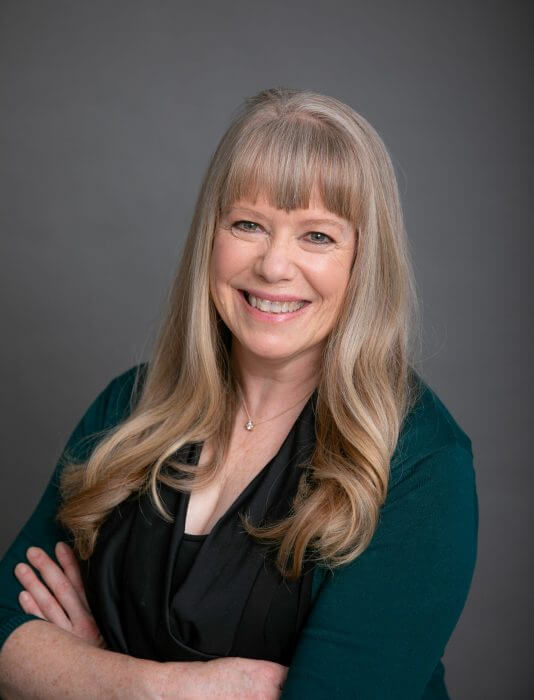
Dr. Pamela Frank has been in practice as a naturopathic doctor for over 26 years. Since 1999, she has earned acclaim as a leading naturopath in Toronto, amassing multiple awards.
Dr. Pamela has a special interest in addressing hormone-related complexities, including but not limited to PCOS, endometriosis, acne, hair loss, weight management, thyroid issues, and fertility.
Residing in Toronto with her family and loyal companion, Dolly the rescue dog, Dr. Pamela seamlessly combines her professional commitment with a diverse range of interests.
Beyond her clinical endeavours, she actively engages in kickboxing, leadership roles within Scout Groups, yoga practice, podcasting, and outdoor pursuits such as backcountry camping.
Dr. Pamela’s comprehensive approach reflects not only her dedication to optimal health but also her passion for continual personal and professional growth.
