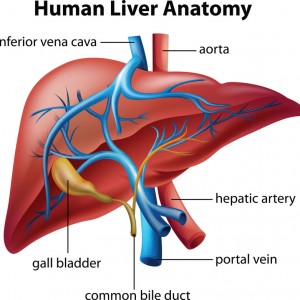
What are Liver Function Tests?
Well actually, although the name would imply otherwise, these tests don’t actually assess liver function. What they actually measure is liver damage. Liver function tests measure enzymes that are produced by the liver. When liver cells are injured or damaged as in hepatitis or cirrhosis, higher amounts of these enzymes are released into the bloodstream.
Do Normal Liver Function Tests Mean Your Liver is Functioning Normally?
No. Normal liver function tests only mean that there is nothing damaging the cells of your liver. They are not an indicator that your liver is working optimally to process waste, pollution, pesticides and hormones.
What Affects Liver Function?
Genetics, vitamins, minerals and other nutrients all play a role in enhancing healthy liver function. Genetic mutations like the MTHFR mutation mean that certain steps in liver detoxification are sluggish. Vitamins A, C, E and B vitamins are all involved in certain steps of liver detoxification. Magnesium and zinc are needed for other steps.
Diseases like hepatitis and cirrhosis damage the liver, as can certain medications, alcohol, fatty liver disease and environmental pollutants.
How can I improve my liver function?
If you have hepatitis, cirrhosis or fatty liver disease, there are natural treatments that can help heal the damage done to the liver. The most prominent treatment being an extract from the herb Milk Thistle, known as silymarin. This herb has been shown to help repair damage to liver cells.
If the liver is not damaged (liver function tests are normal), but you have signs of sluggish liver function such as hormone imbalance, intolerance to drugs or alcohol, adverse effects from the birth control pill, or environmental sensitivities you can support optimal liver function by supplying all of the necessary vitamins, minerals, and other natural substances that support efficient liver detoxification.
By Dr. Pamela Frank, BSc(Hons), Naturopathic Doctor

Dr. Pamela Frank has been in practice as a naturopathic doctor for over 26 years. Since 1999, she has earned acclaim as a leading naturopath in Toronto, amassing multiple awards.
Dr. Pamela has a special interest in addressing hormone-related complexities, including but not limited to PCOS, endometriosis, acne, hair loss, weight management, thyroid issues, and fertility.
Residing in Toronto with her family and loyal companion, Dolly the rescue dog, Dr. Pamela seamlessly combines her professional commitment with a diverse range of interests.
Beyond her clinical endeavours, she actively engages in kickboxing, leadership roles within Scout Groups, yoga practice, podcasting, and outdoor pursuits such as backcountry camping.
Dr. Pamela’s comprehensive approach reflects not only her dedication to optimal health but also her passion for continual personal and professional growth.
